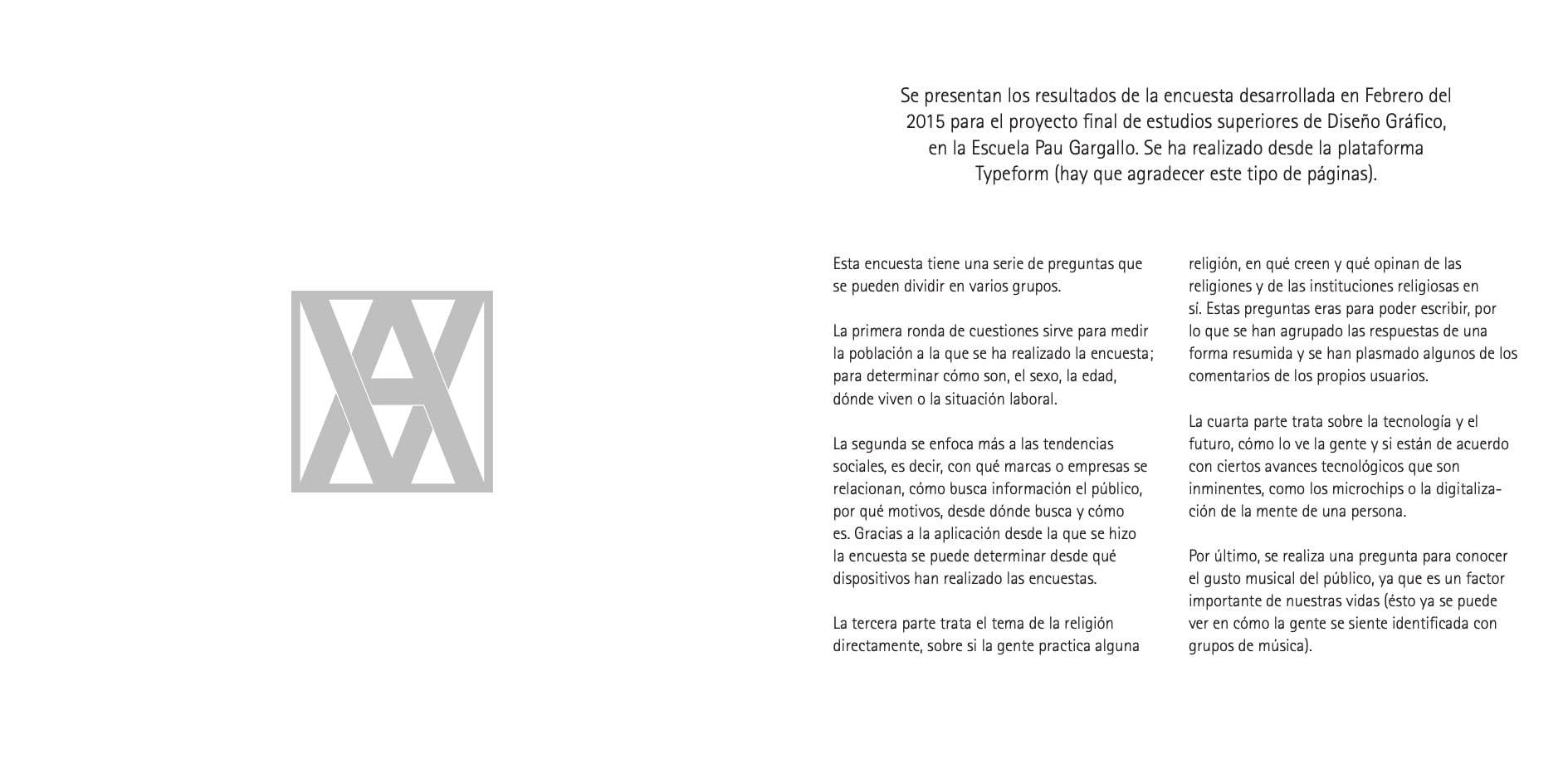
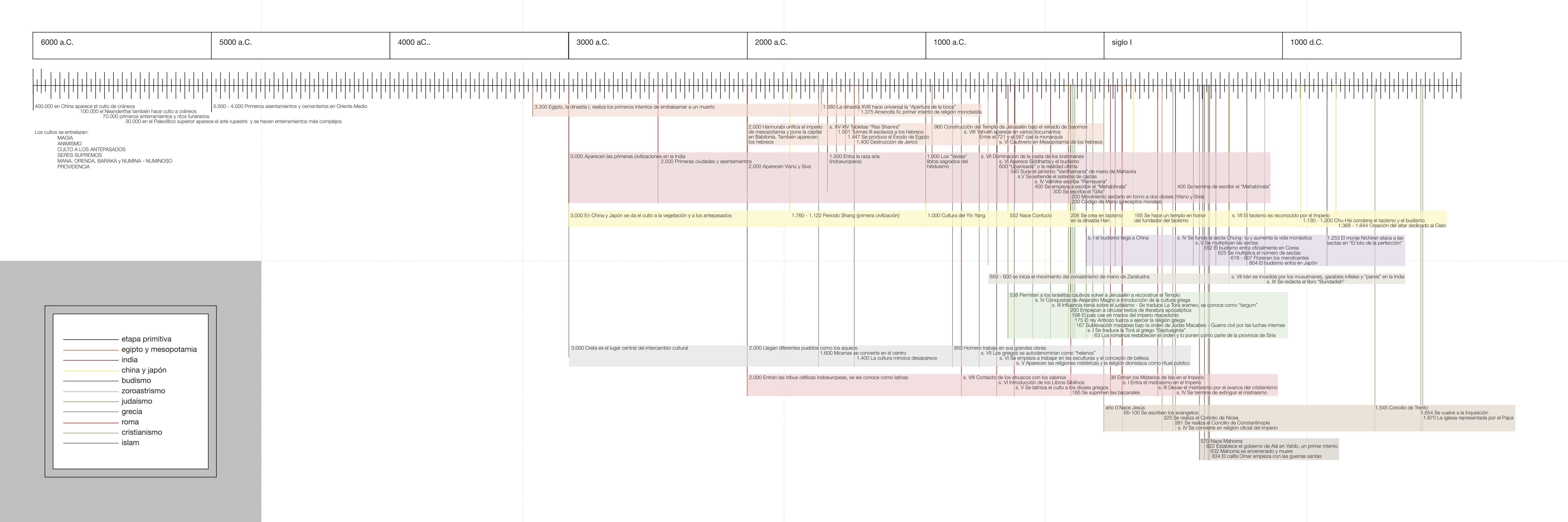
This is a research and experimental project that studies religions from both anthropological and social perspectives, as well as from their graphic representation. It documents the search for society’s deepest motivations through the lens of neurology.
The great pillars that once sustained society are beginning to crumble under the weight of their own lies — religions, governments, institutions, corporations. Hypocrisy sold through advertising. The main problem with all religions is their lack of adaptability; they fail to connect with people, especially with younger generations like globalists or Generation Y.
At the same time, there’s a growing tendency towards authenticity: movements embracing ecology, the joy of the journey, handcrafted and sustainable goods, the beauty of imperfection, slow living, health, and all things natural.
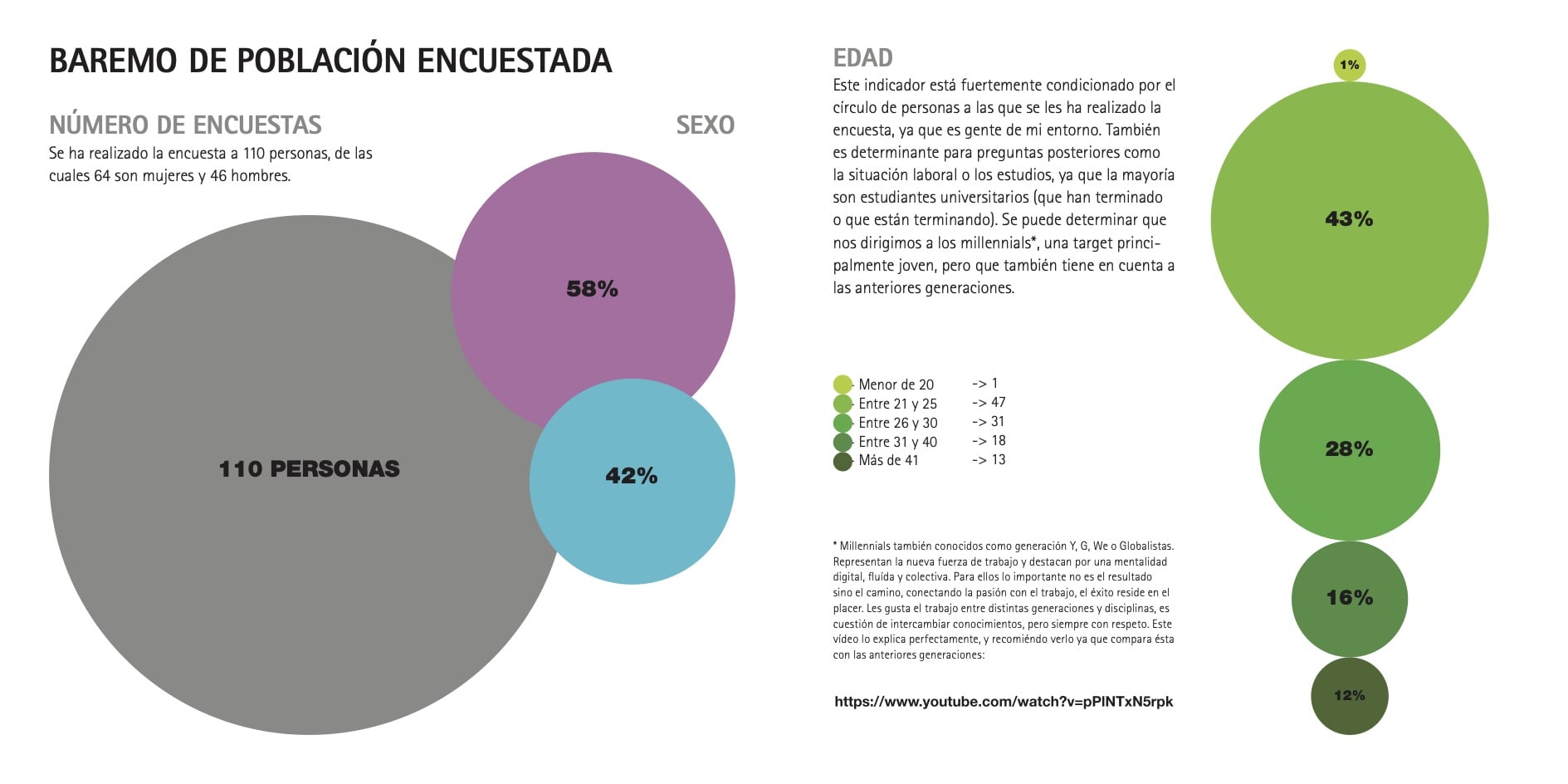
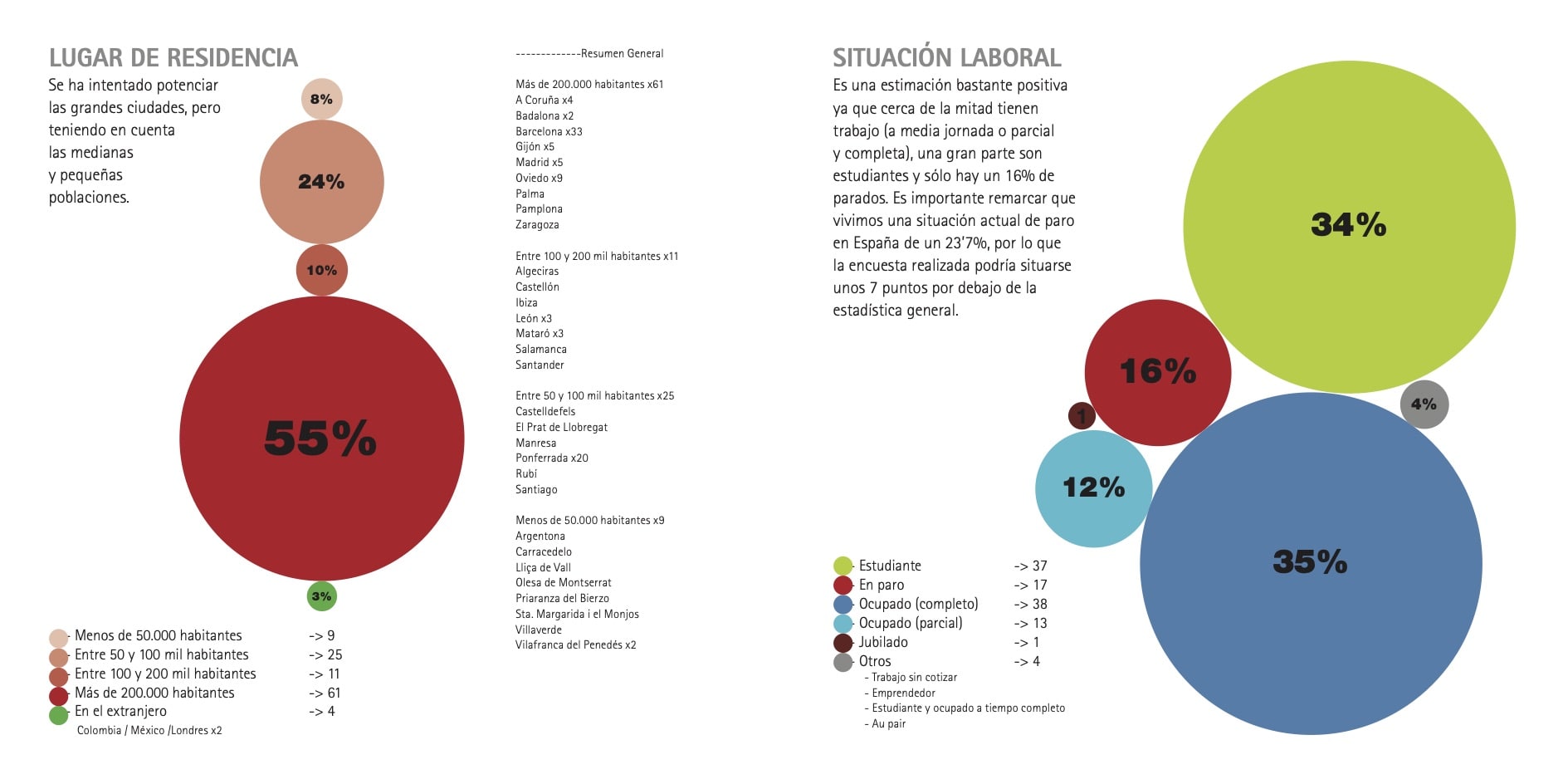
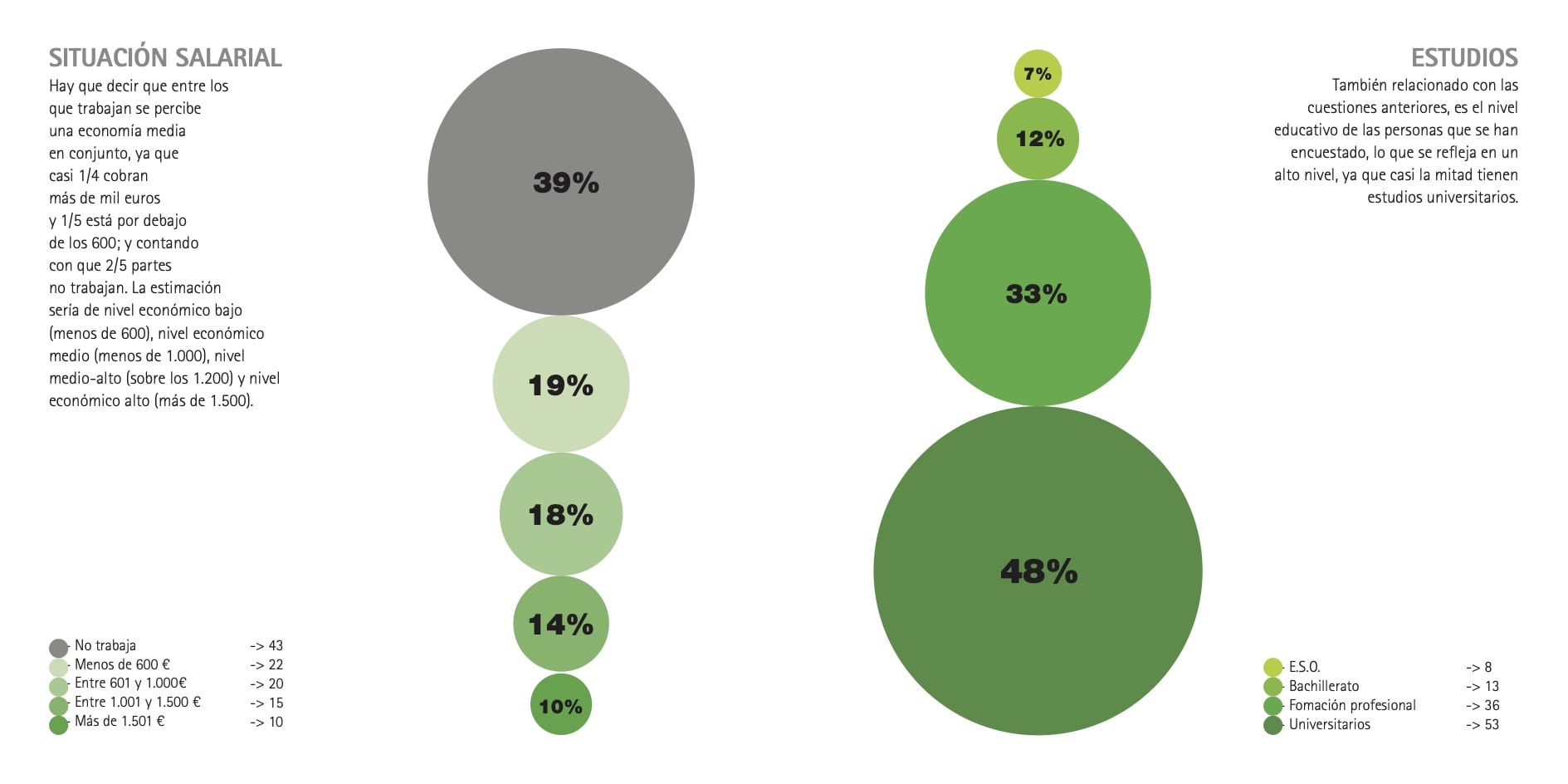
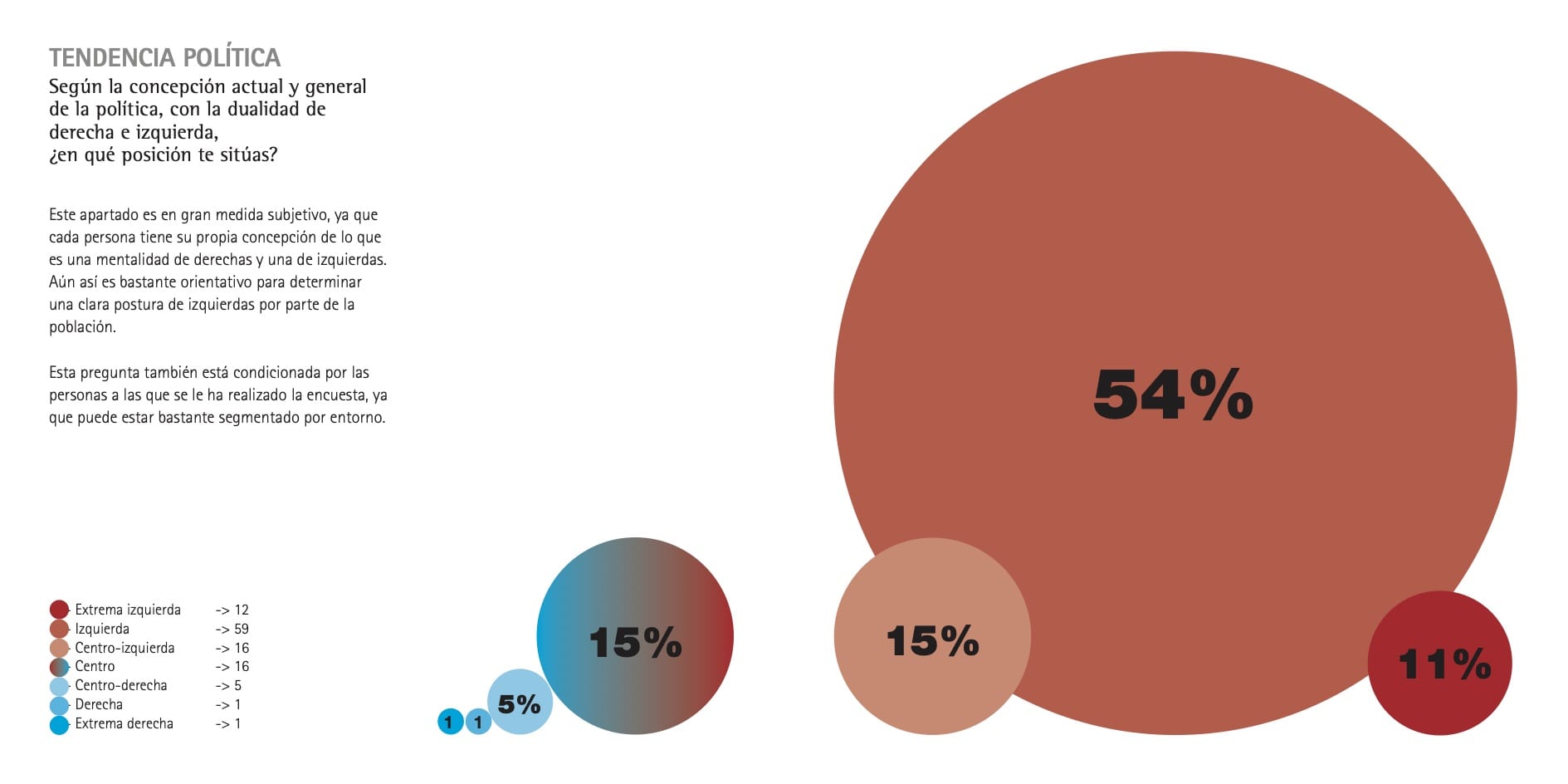
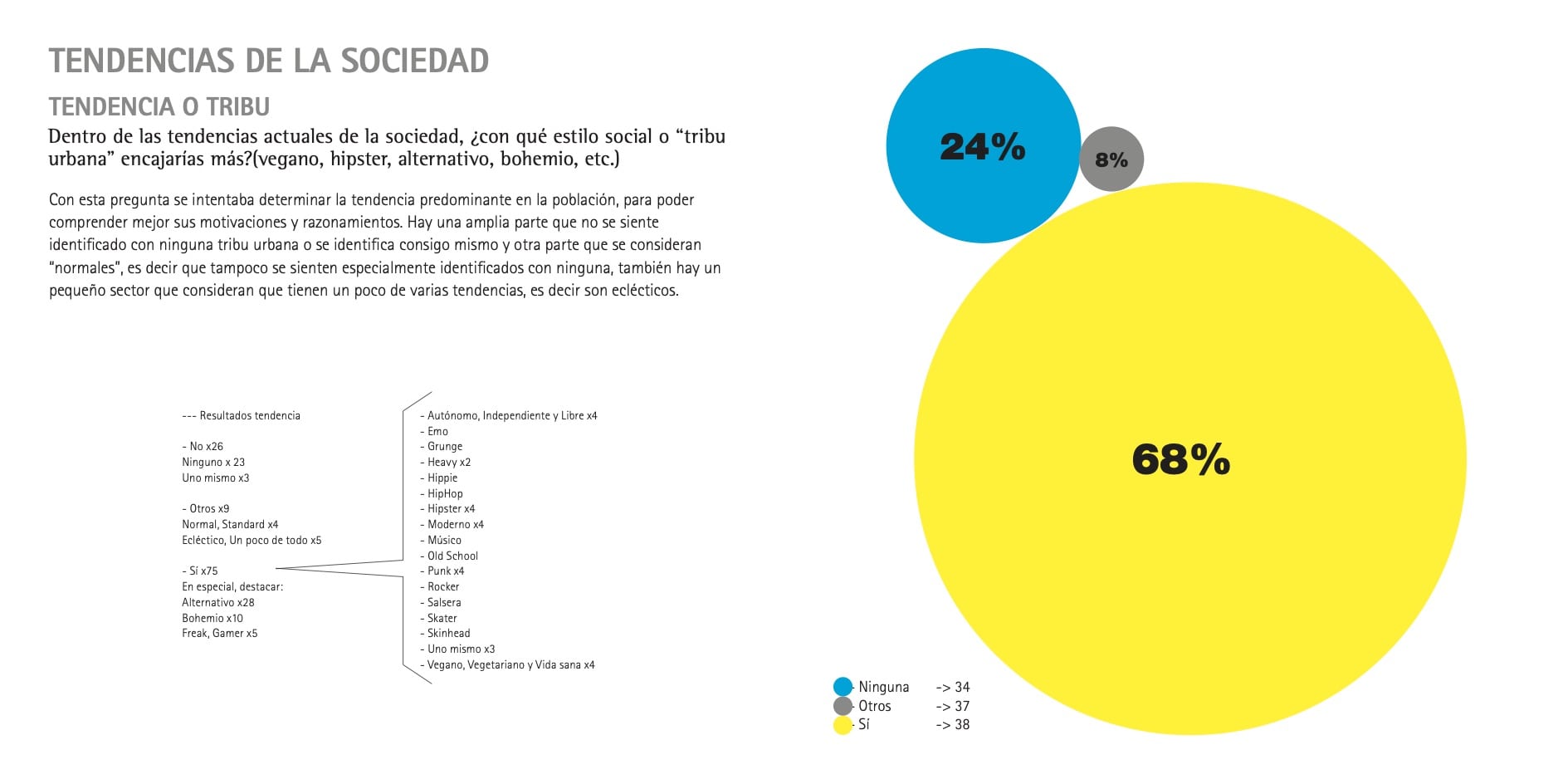
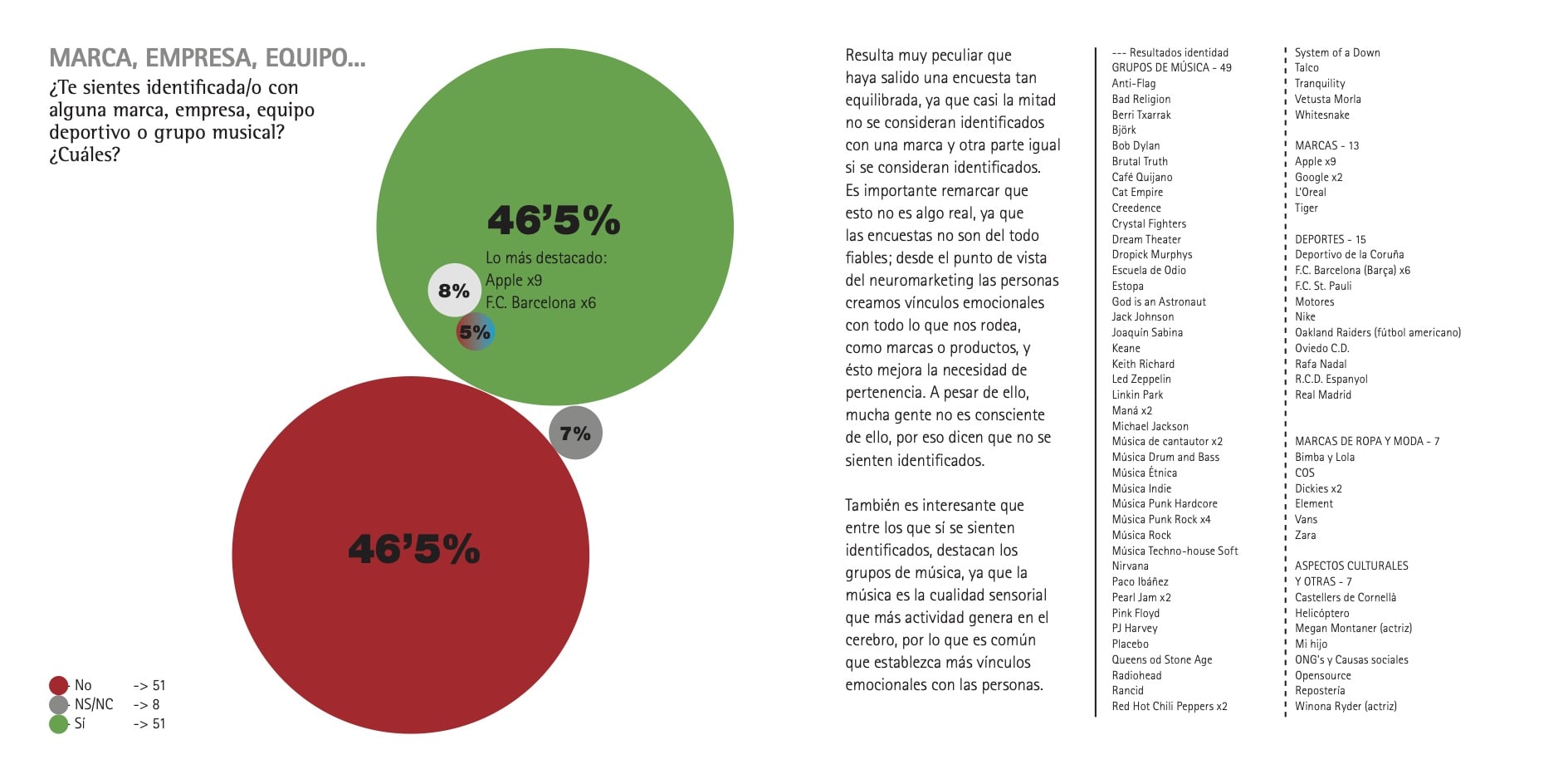
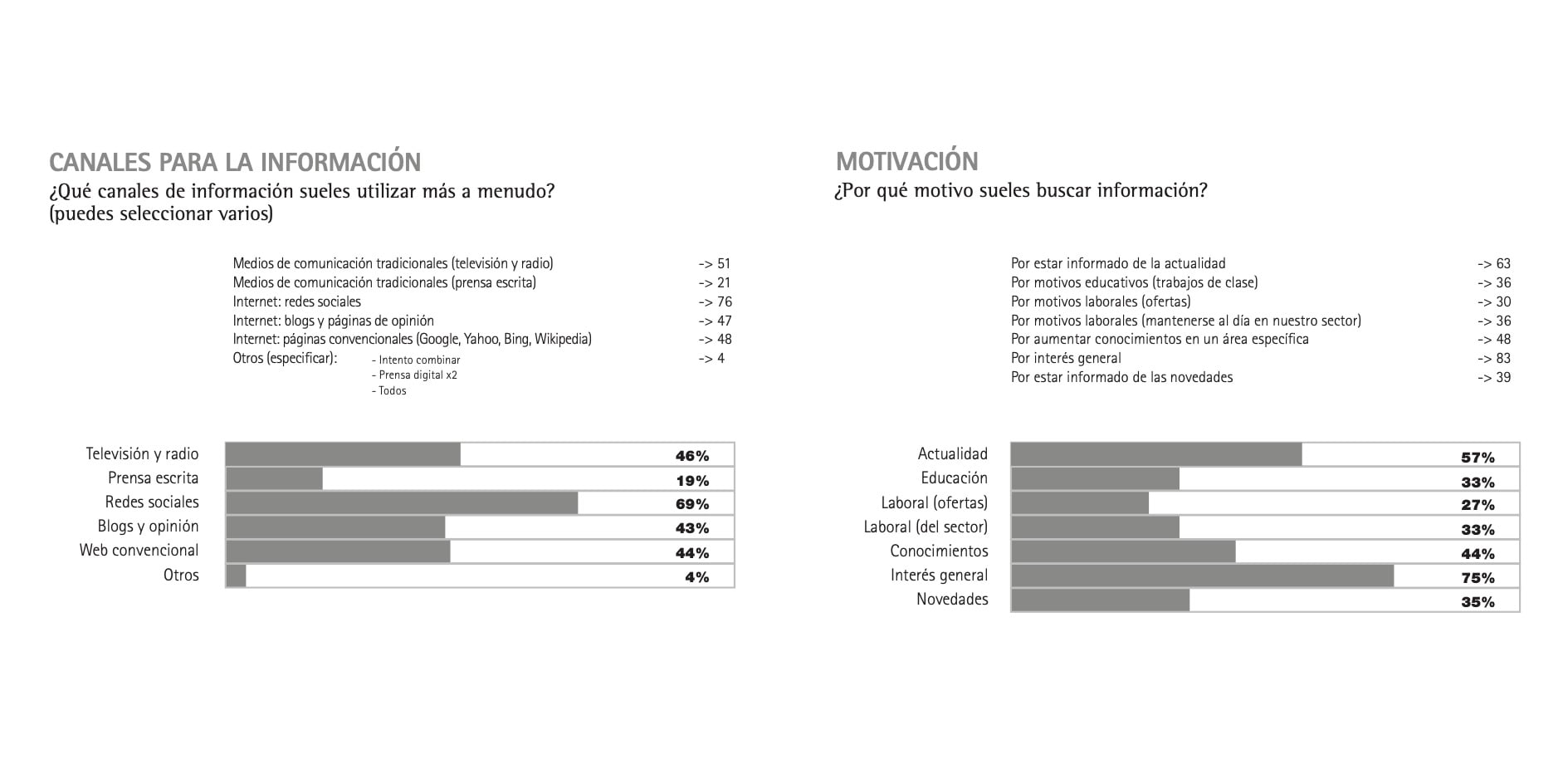
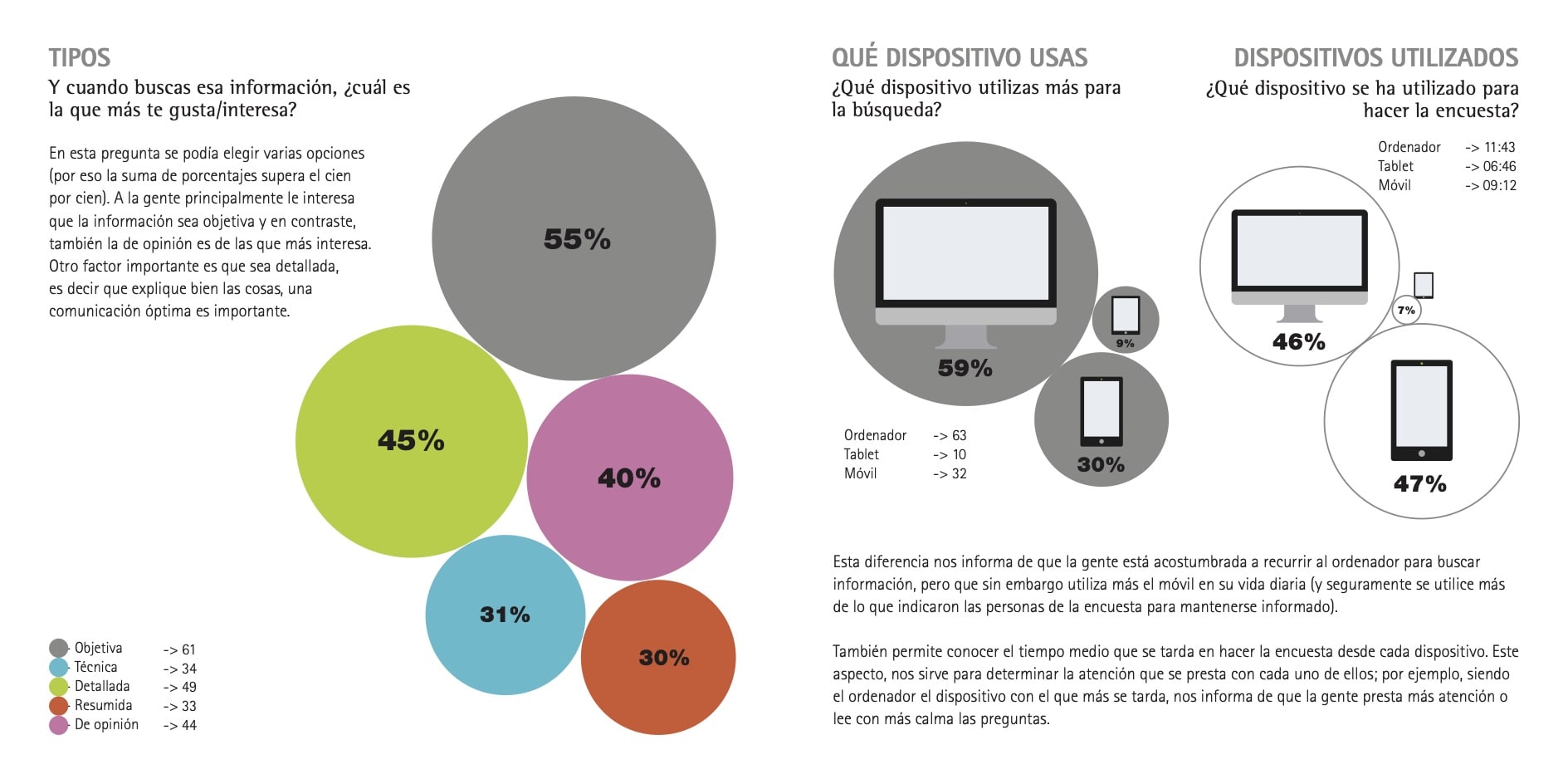
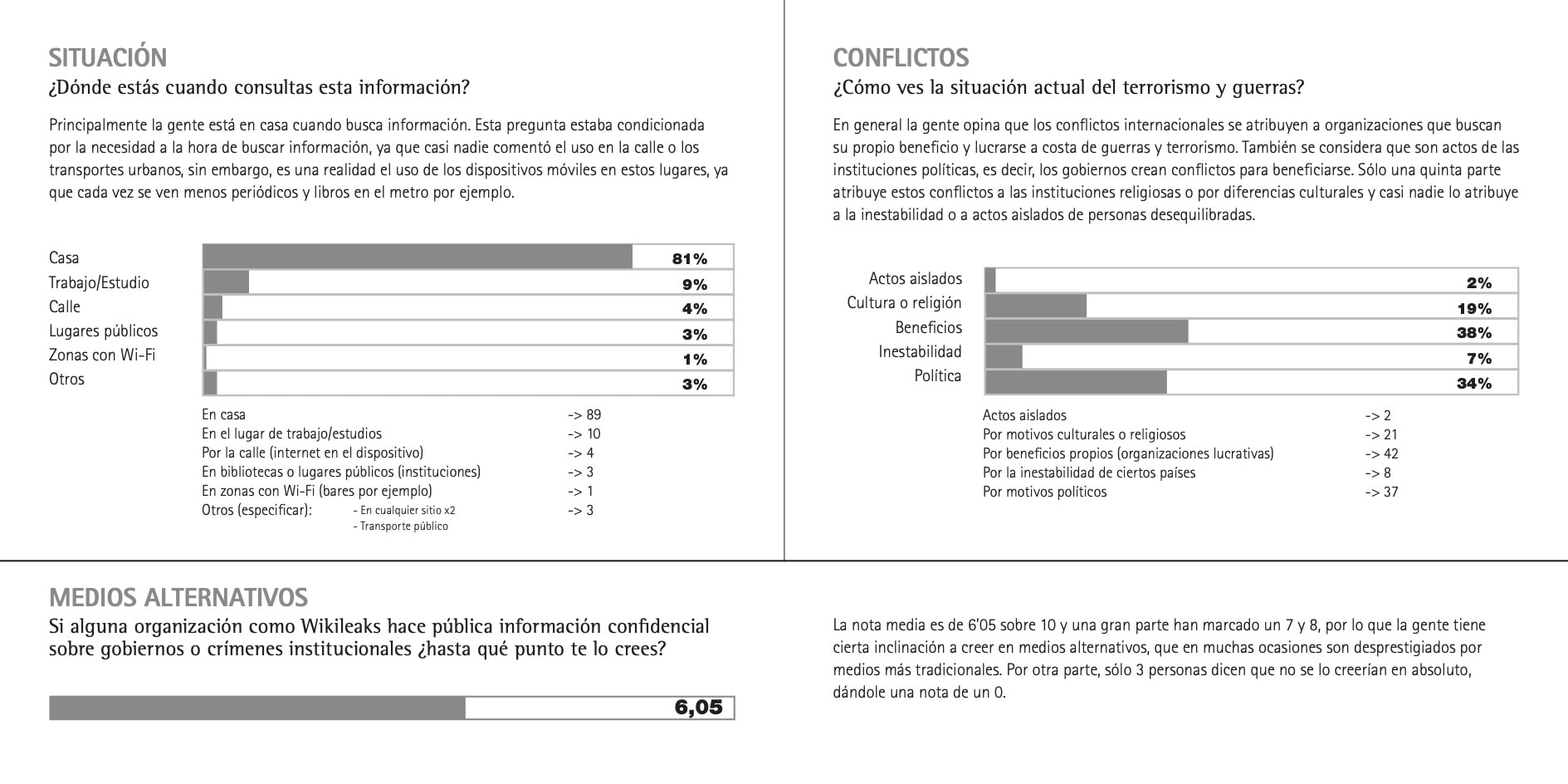
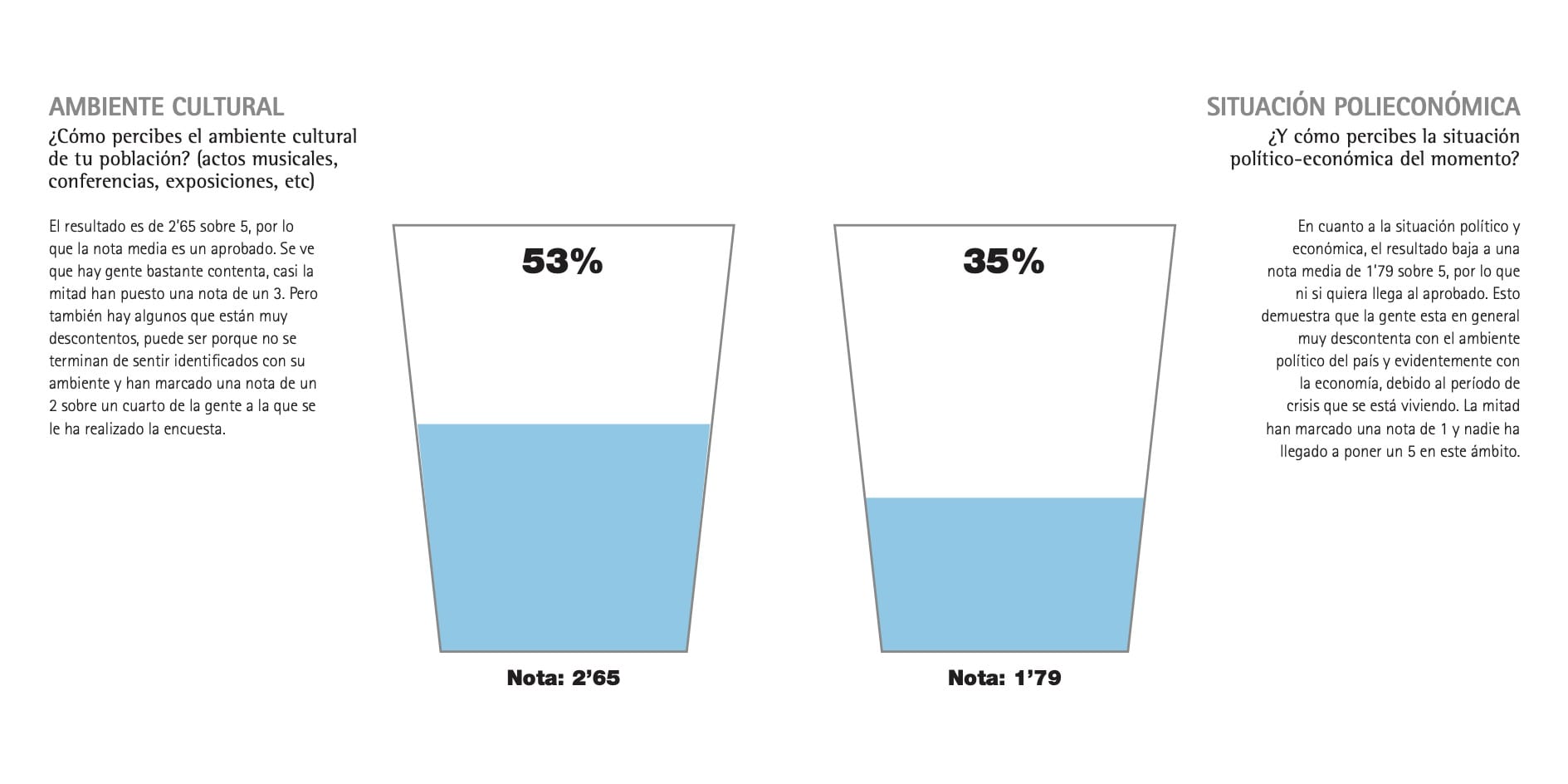
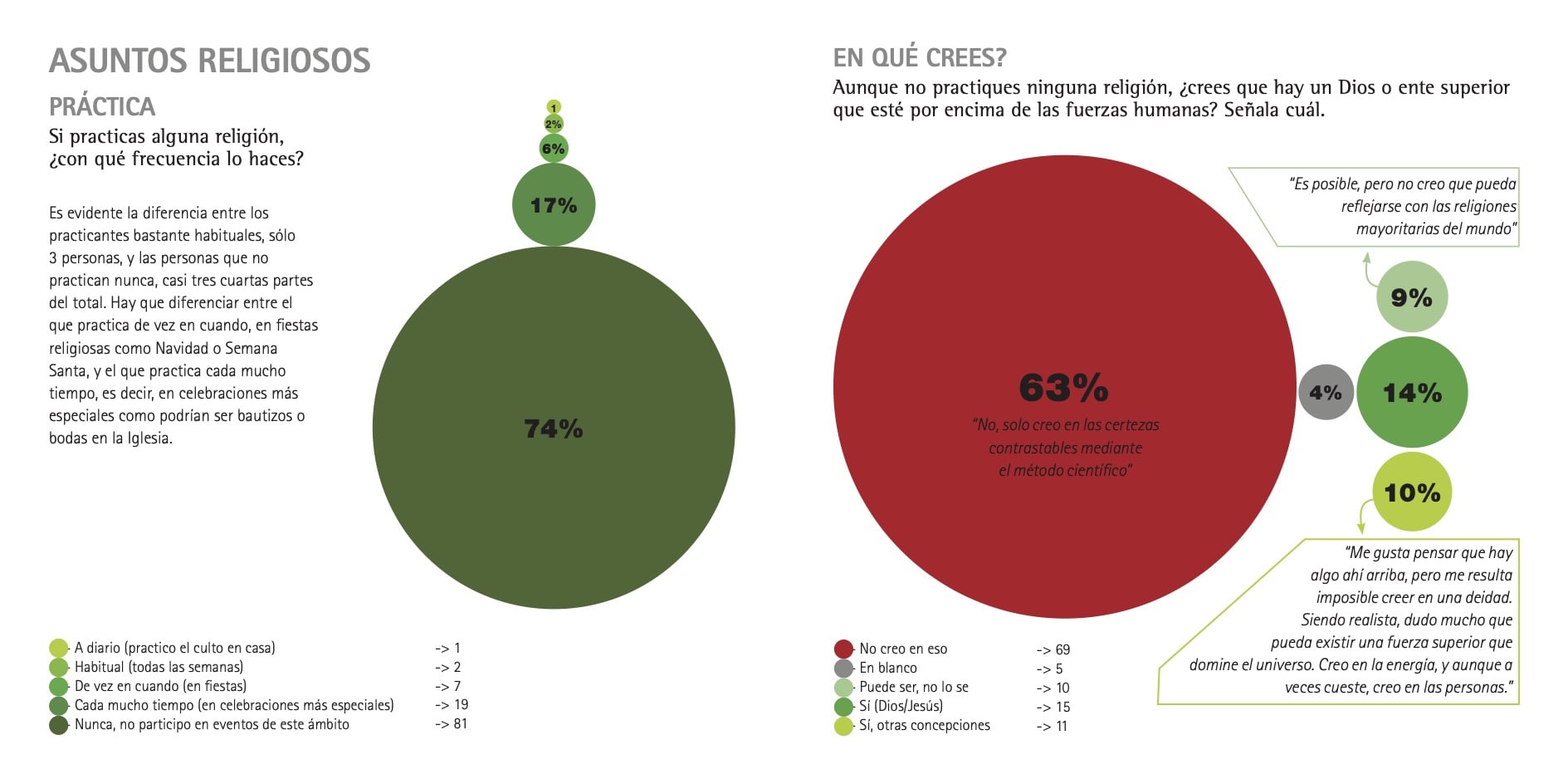
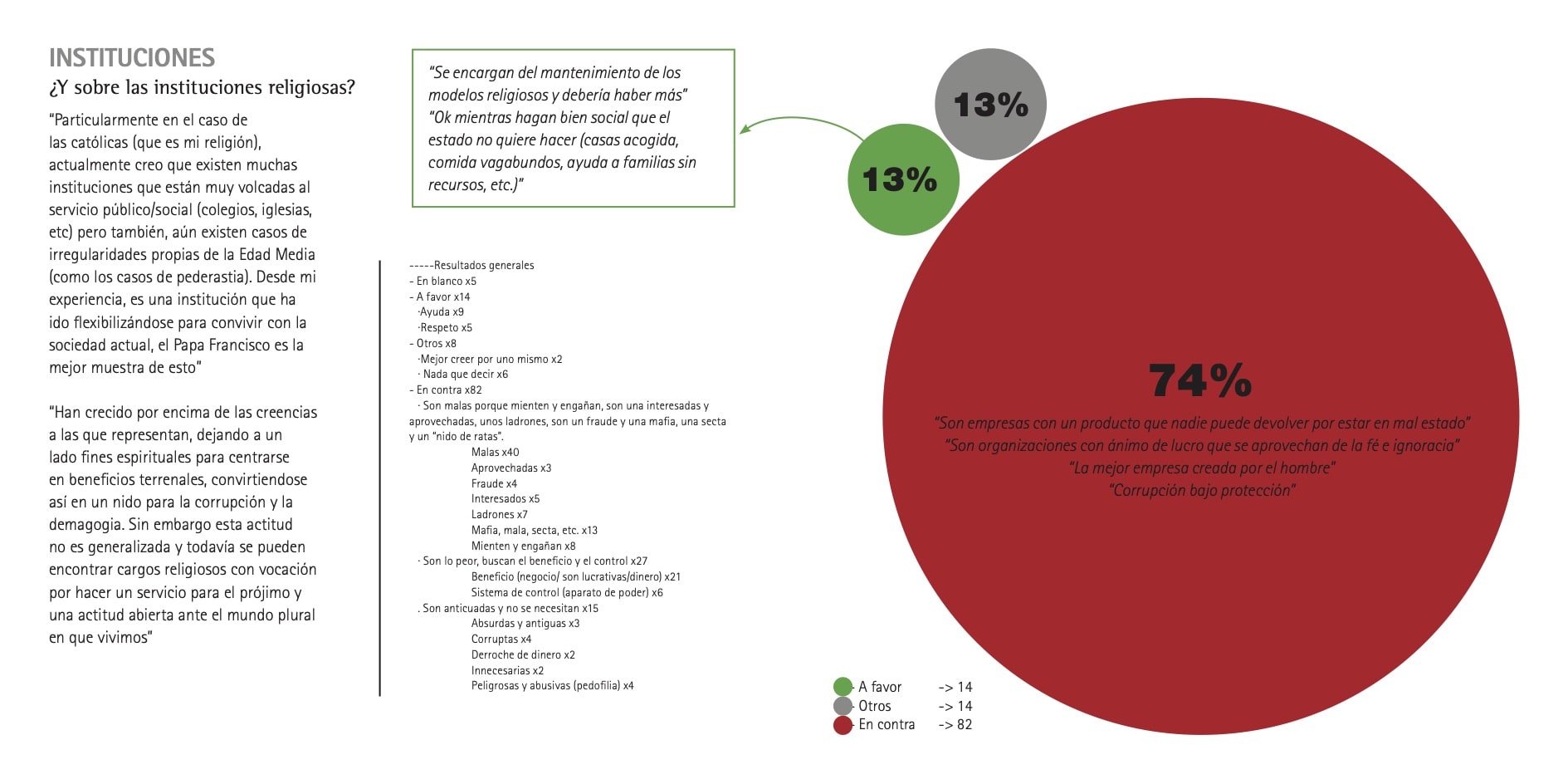
Below is a summary of all the results obtained.



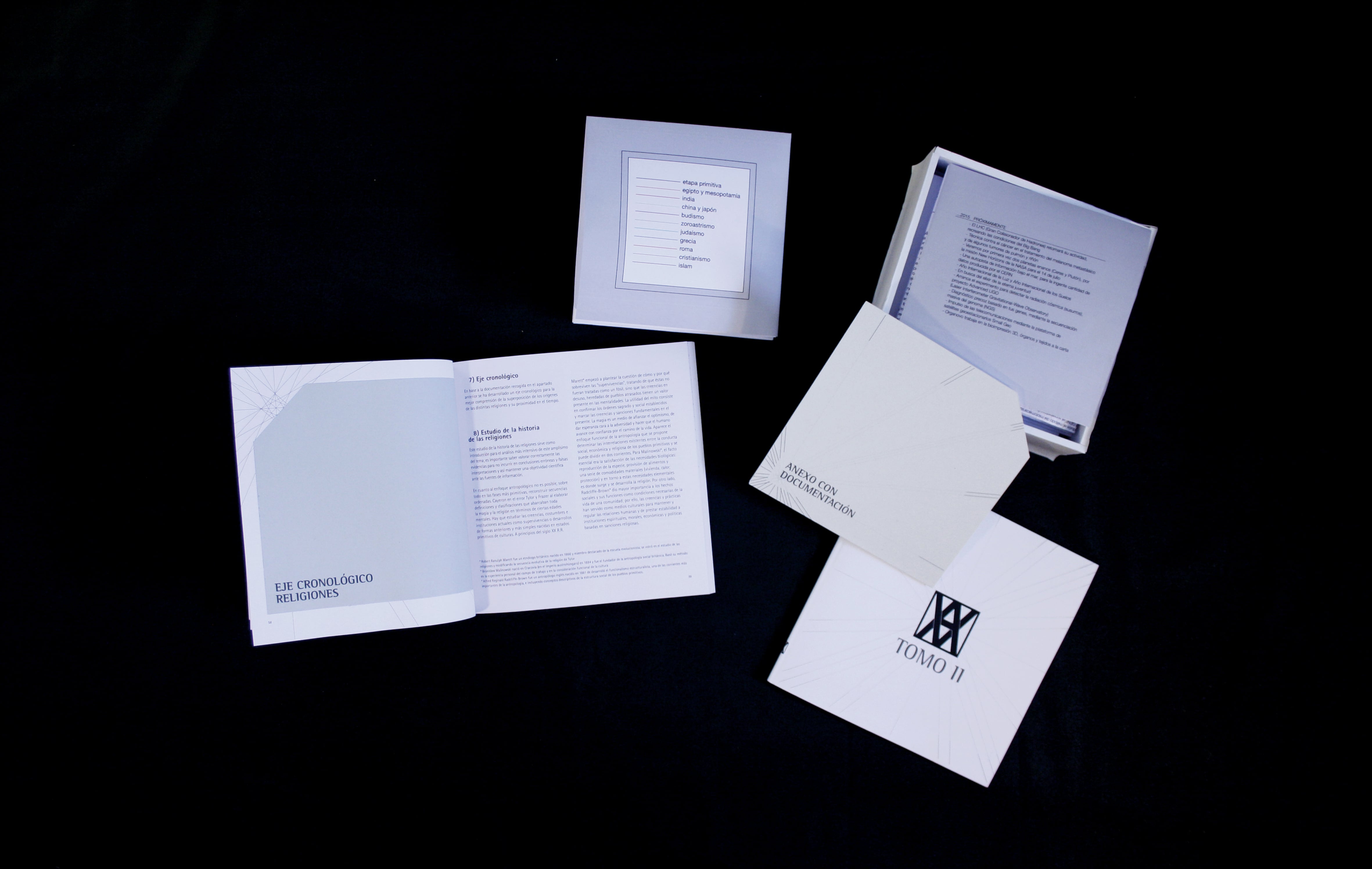
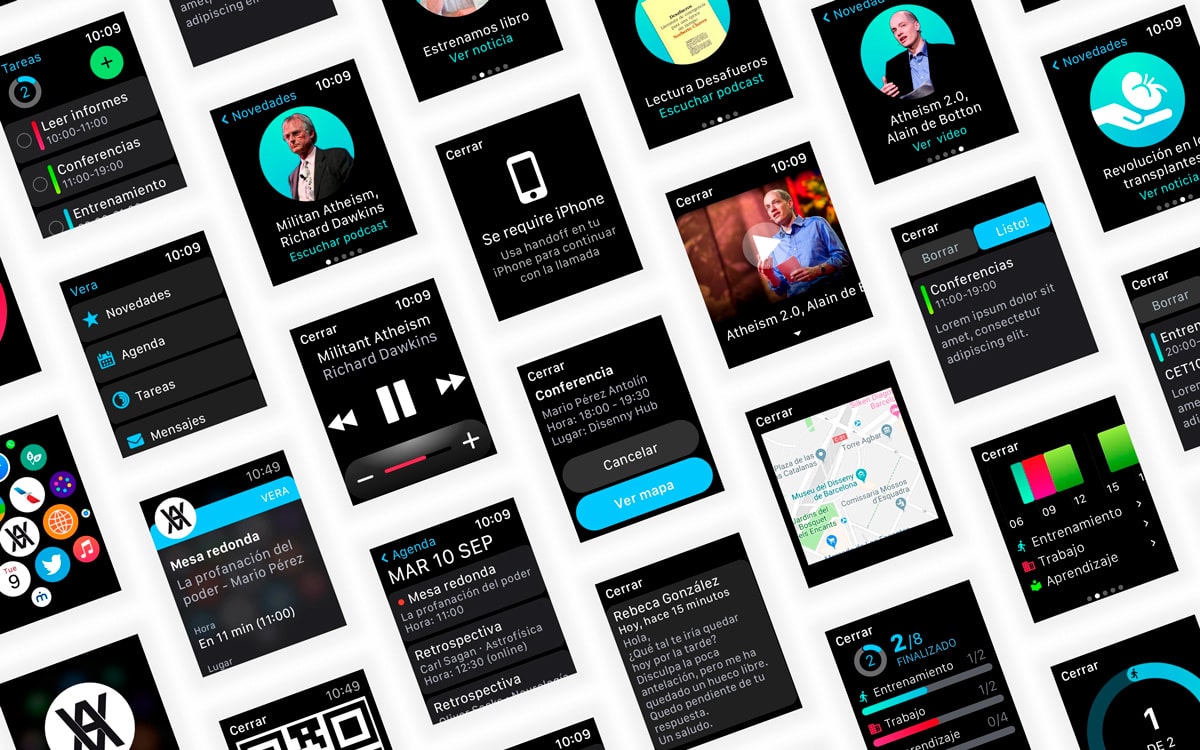
VERA was born as an atheist community whose main purpose is the pursuit of knowledge. We do not believe in great gods or brands. We believe in the magnificence of the universe and in the power of people. It’s a horizontal hierarchy in which everyone can contribute and learn from one another.
It explores the duality between humanity and nature, as harmony resides in balance. In science, truths are never absolute — they are always refutable. The same applies to this project. I invite you to reflect, to learn more, to question, and to challenge my theory.
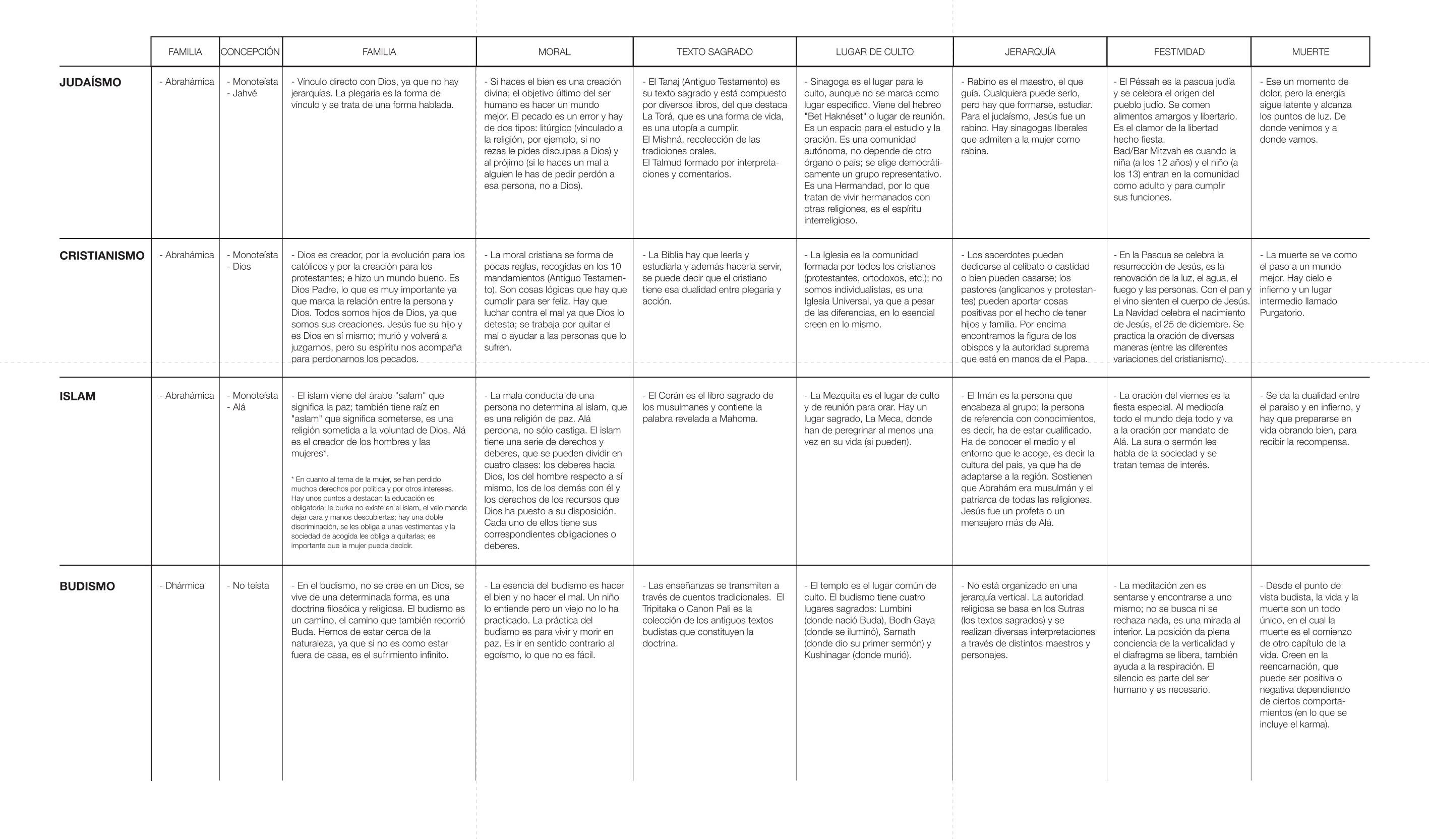
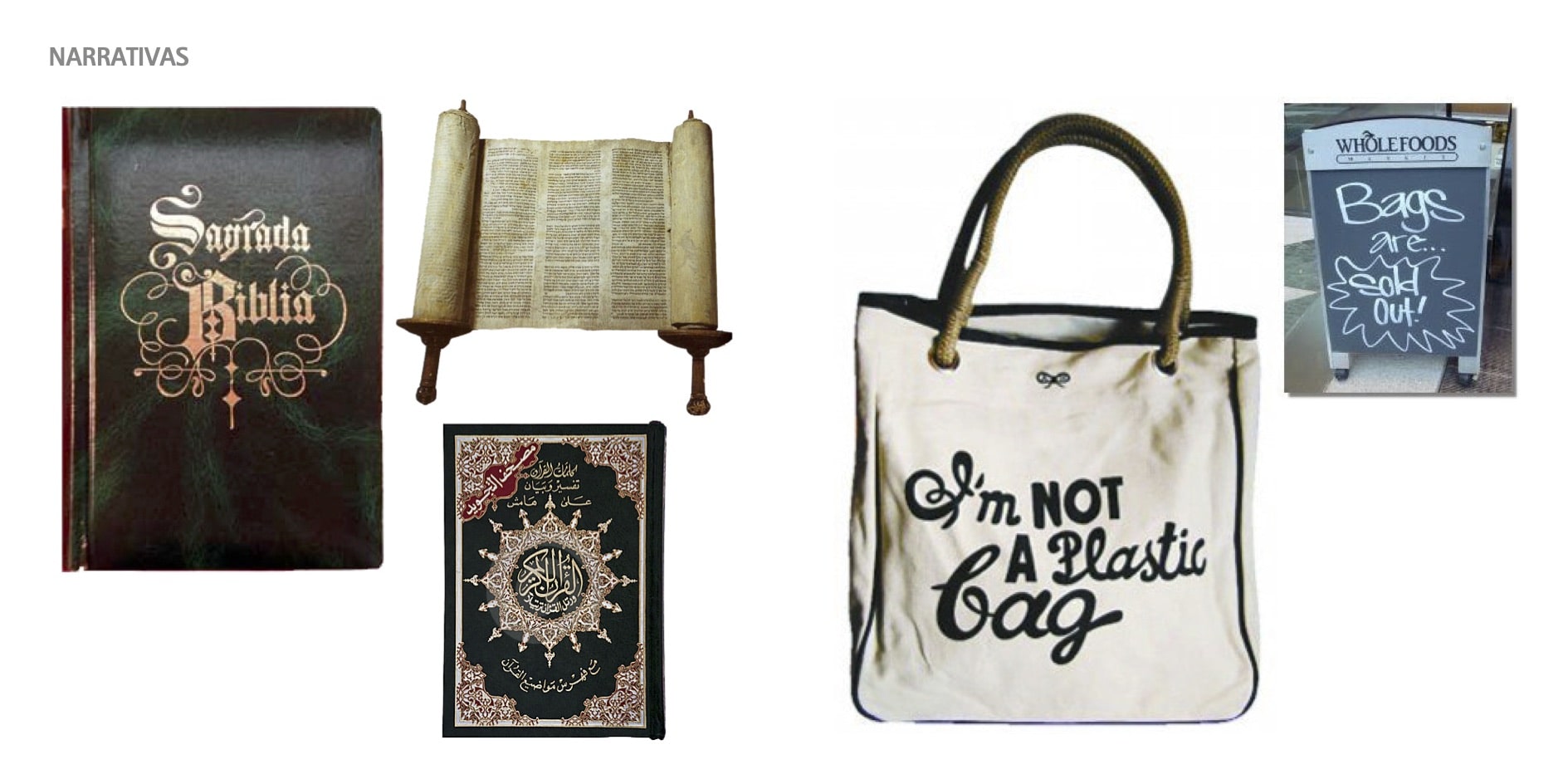
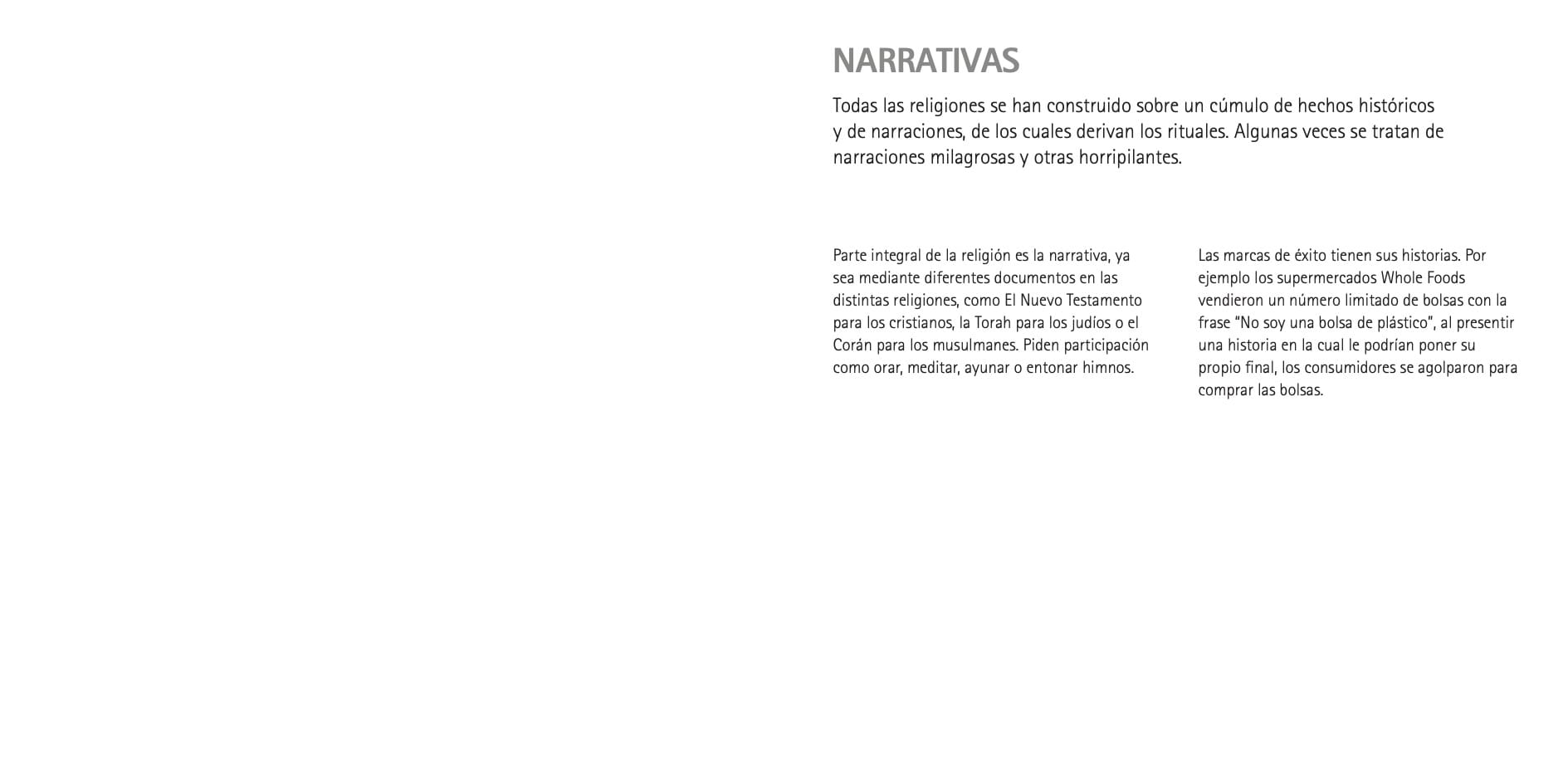
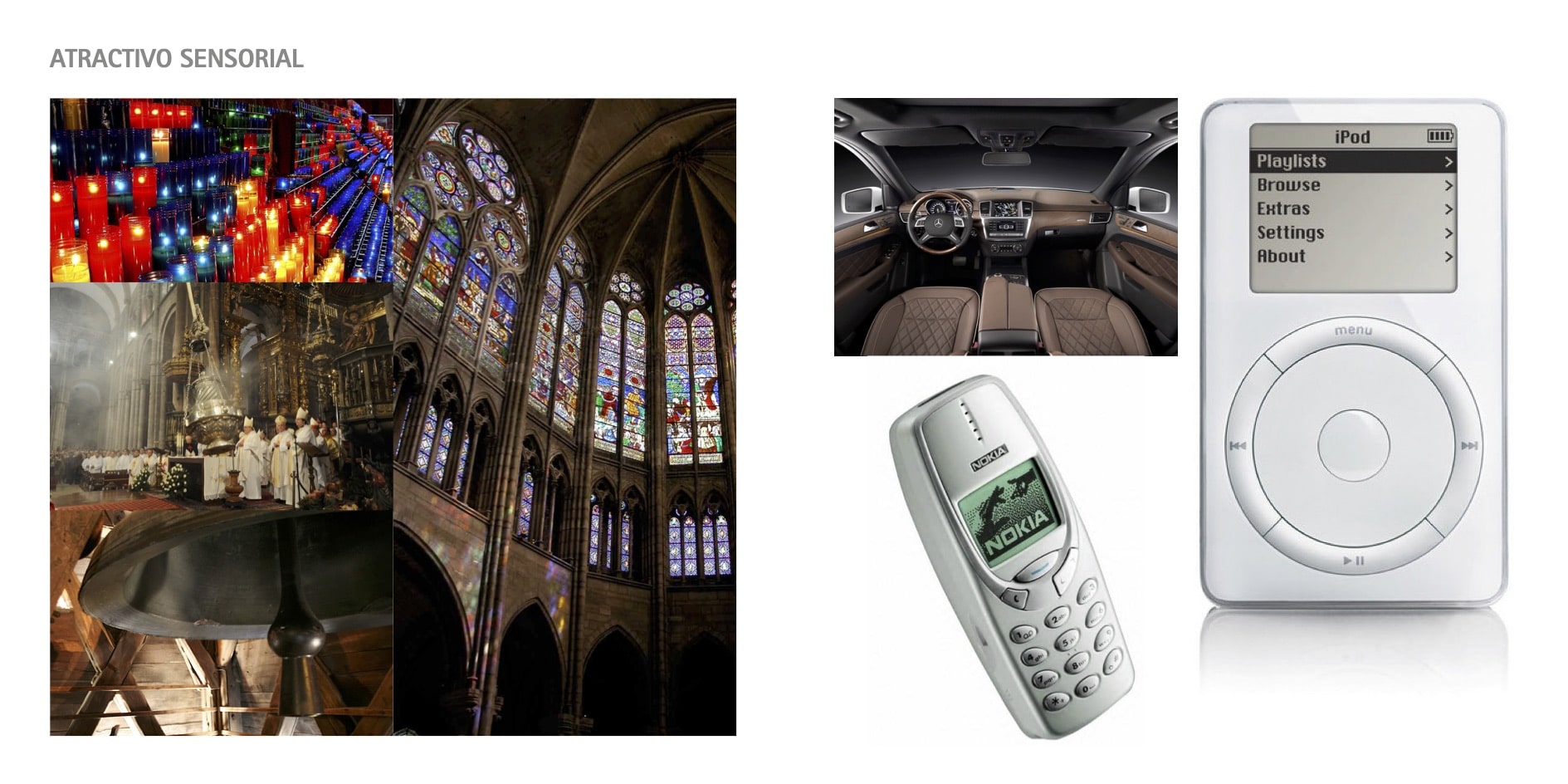
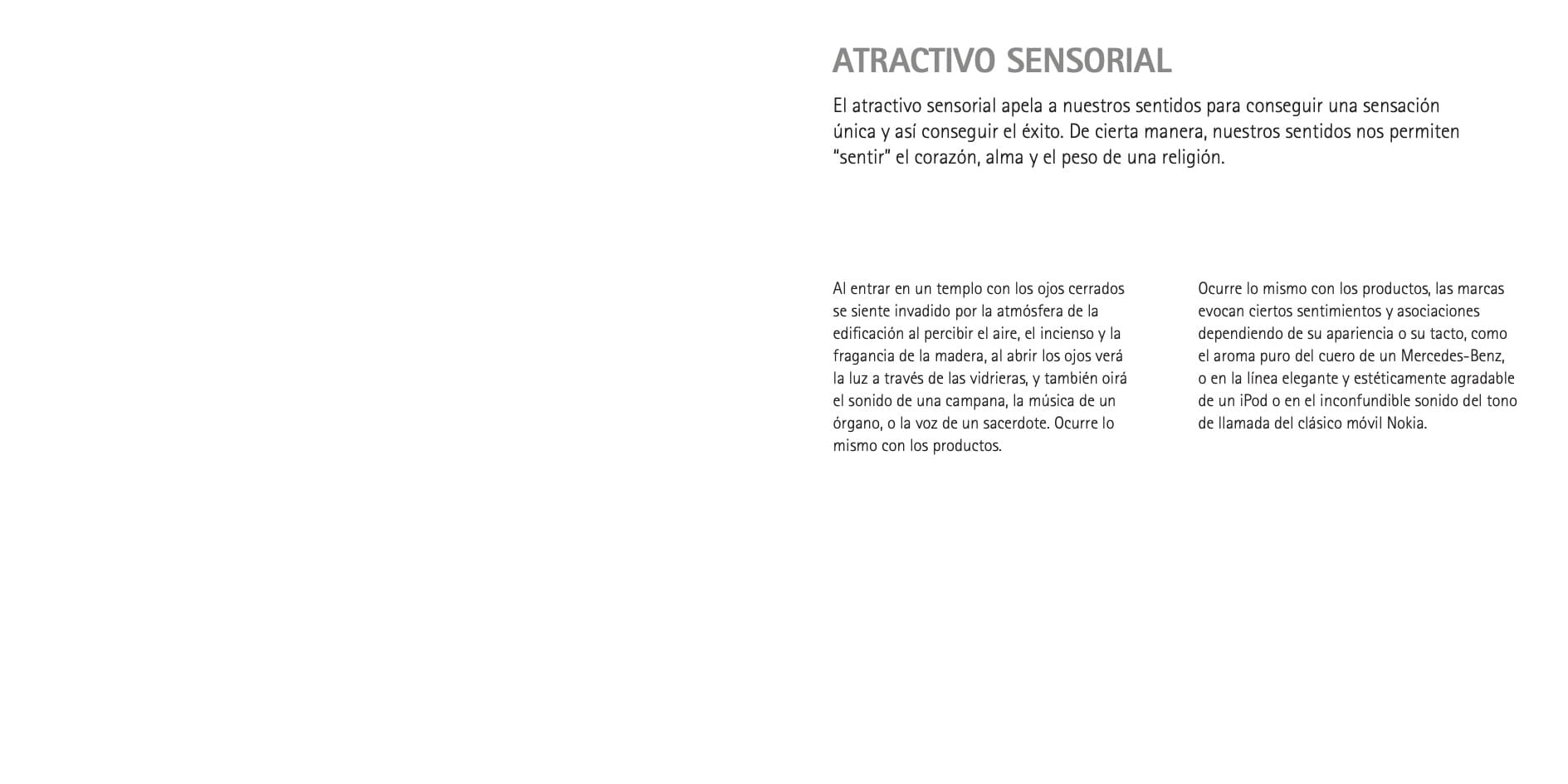
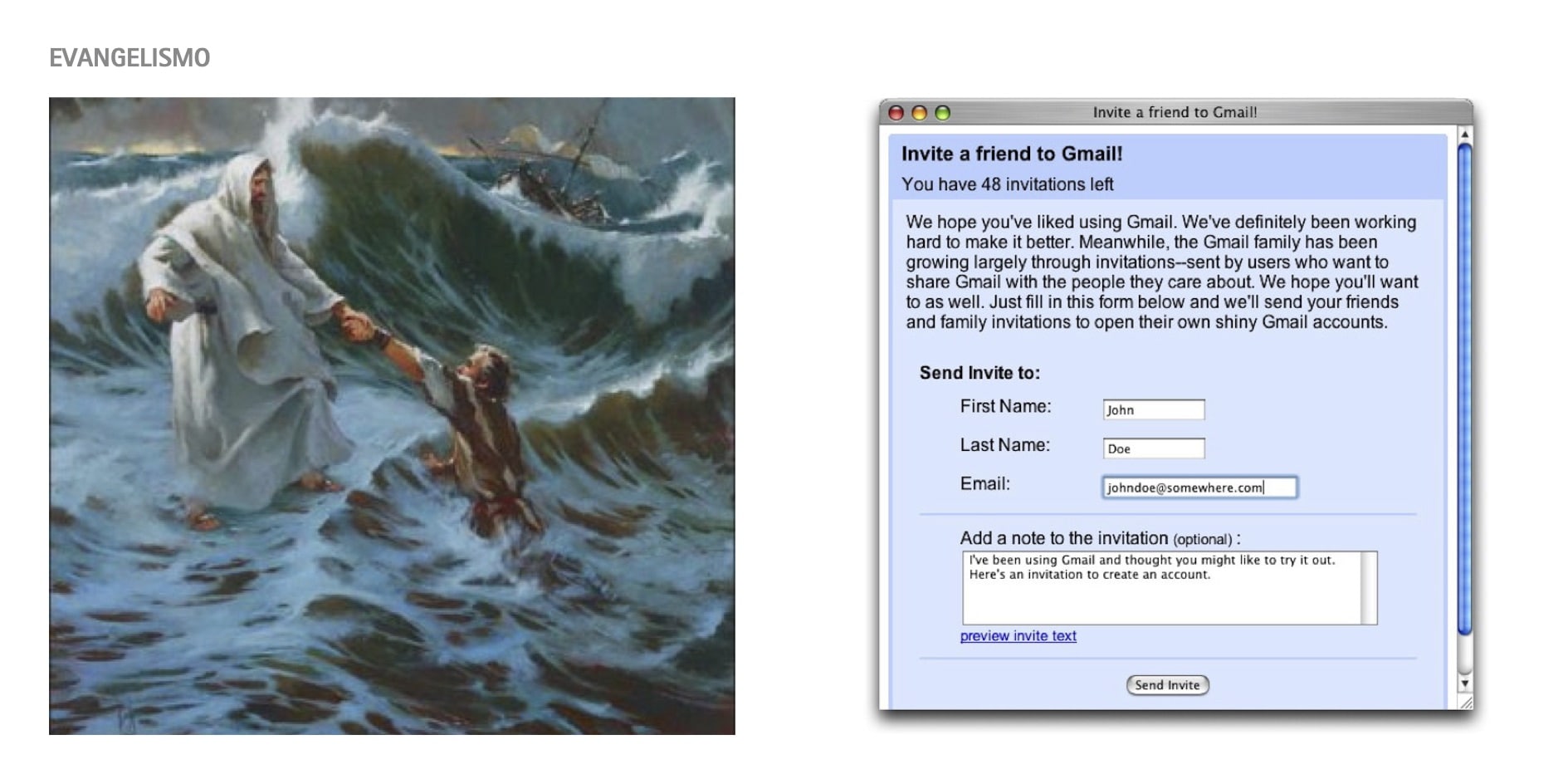
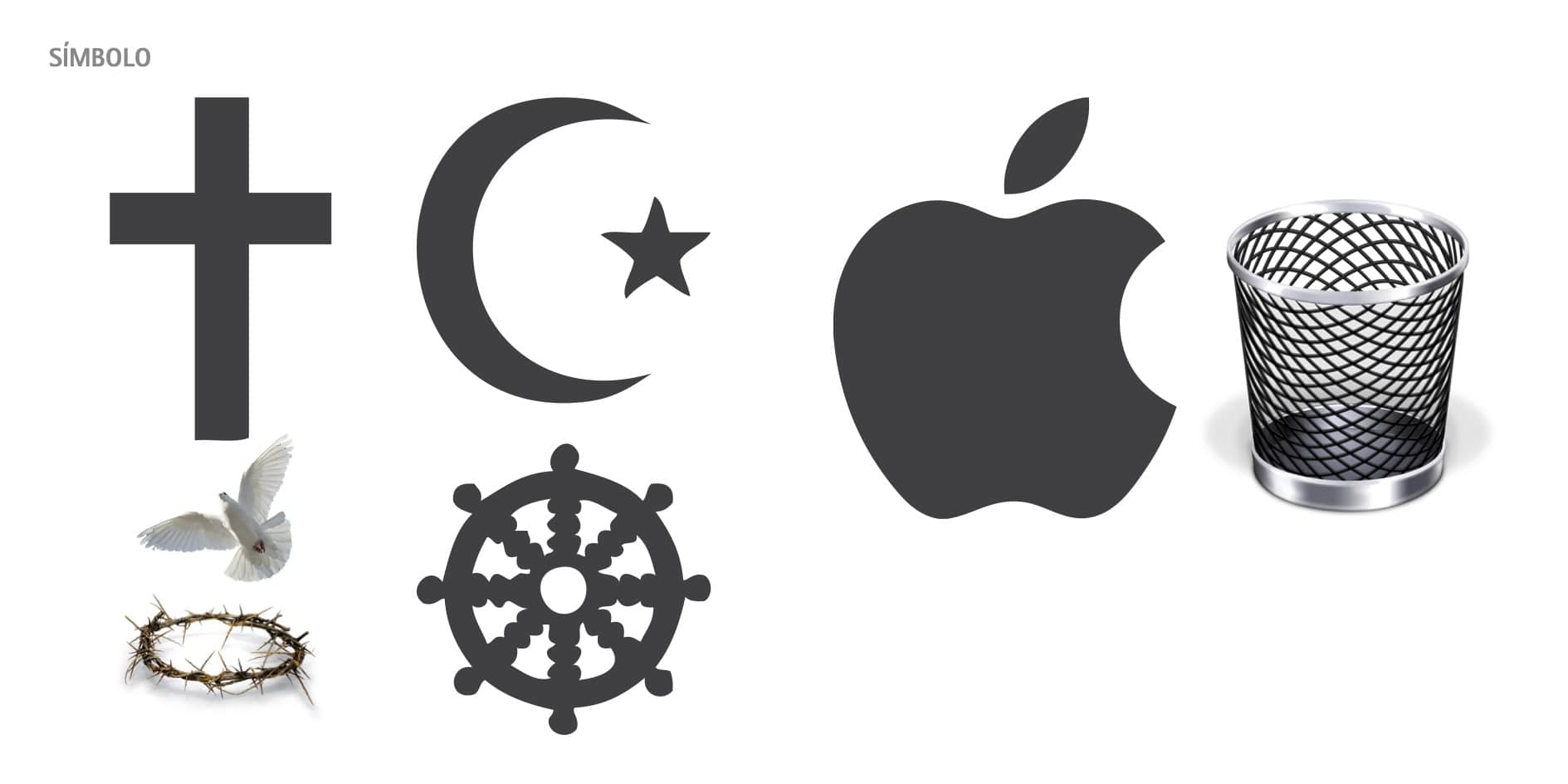
A comparison is presented between religions and brands through a neuromarketing perspective.
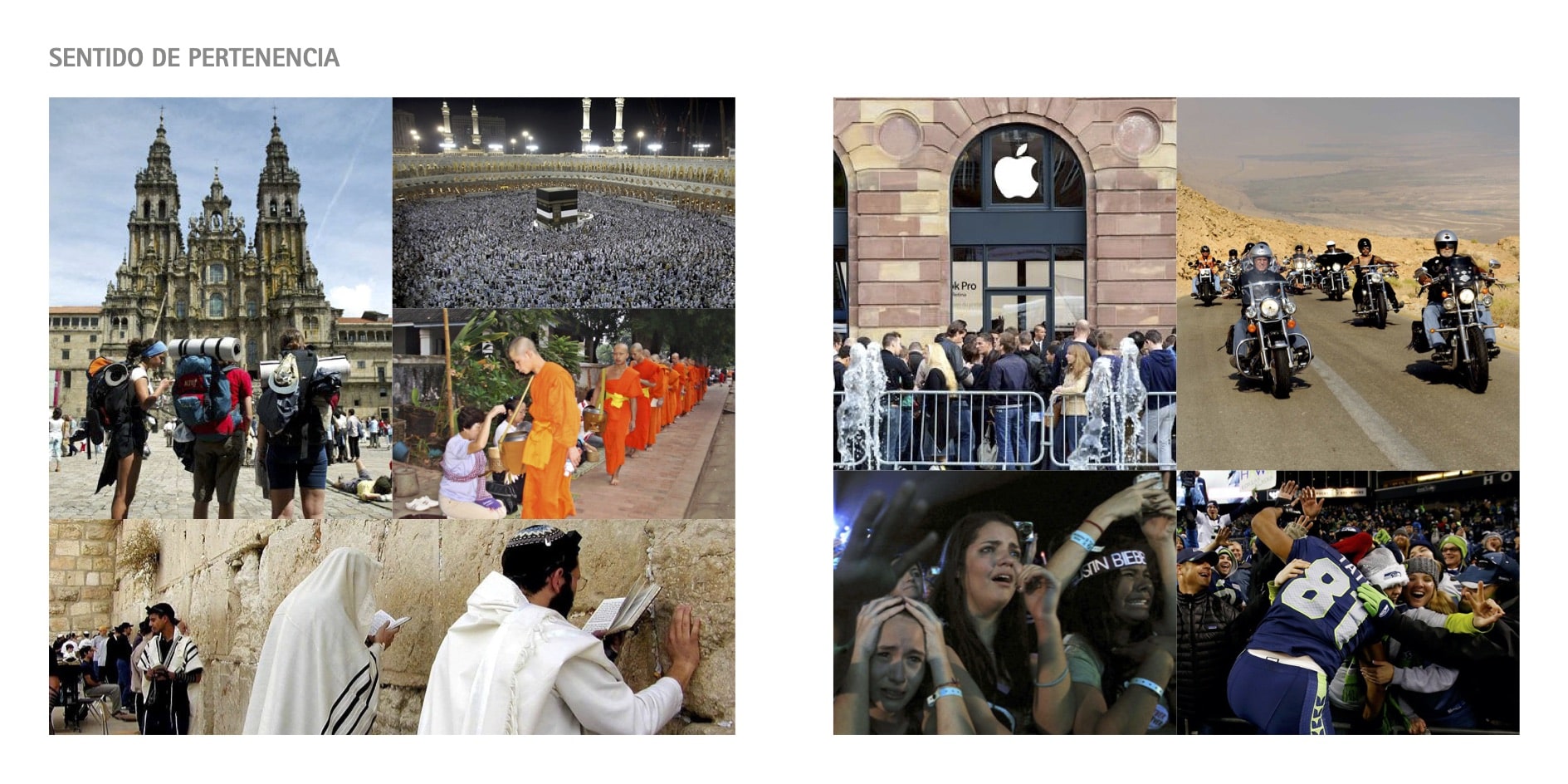
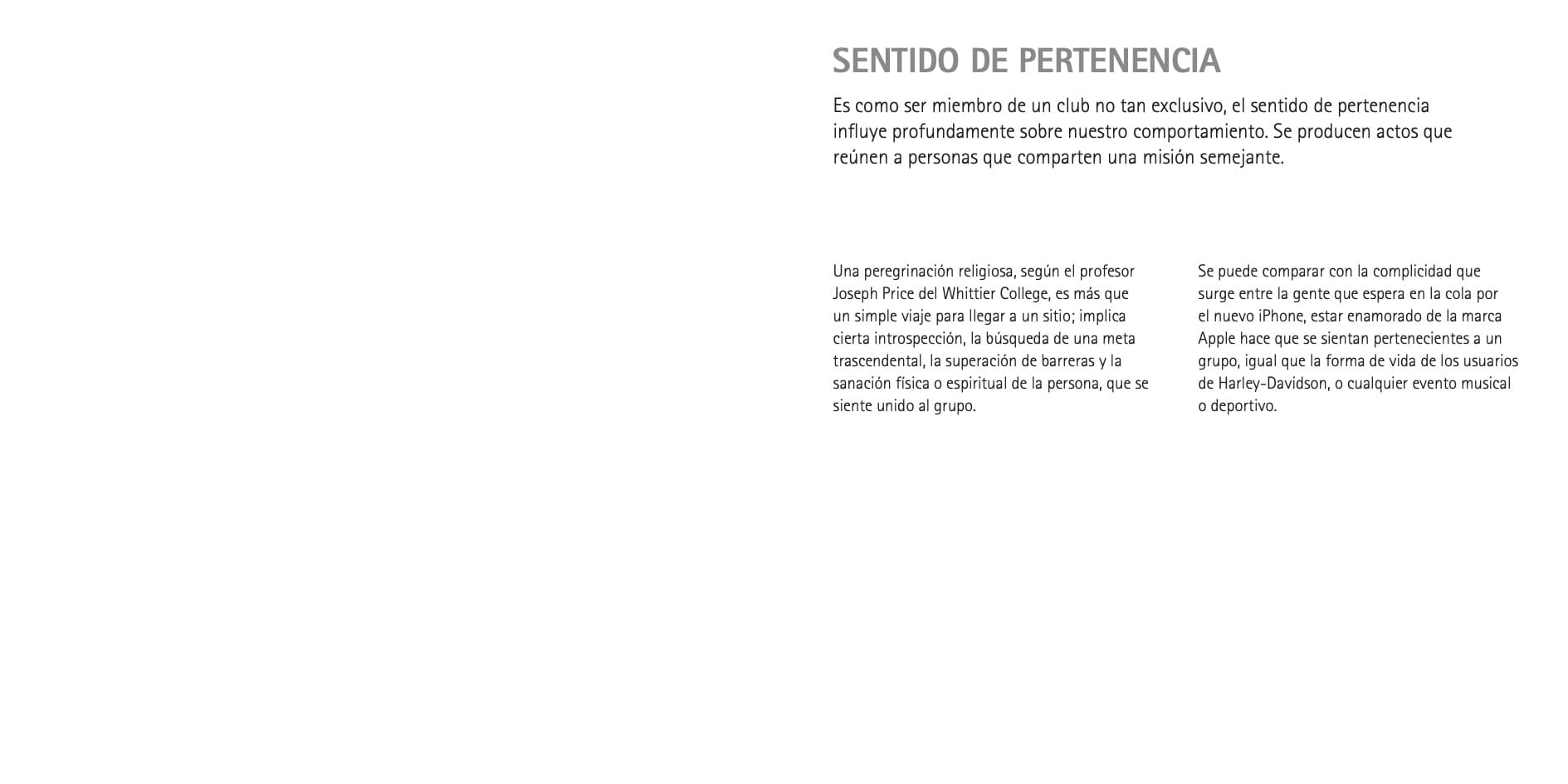
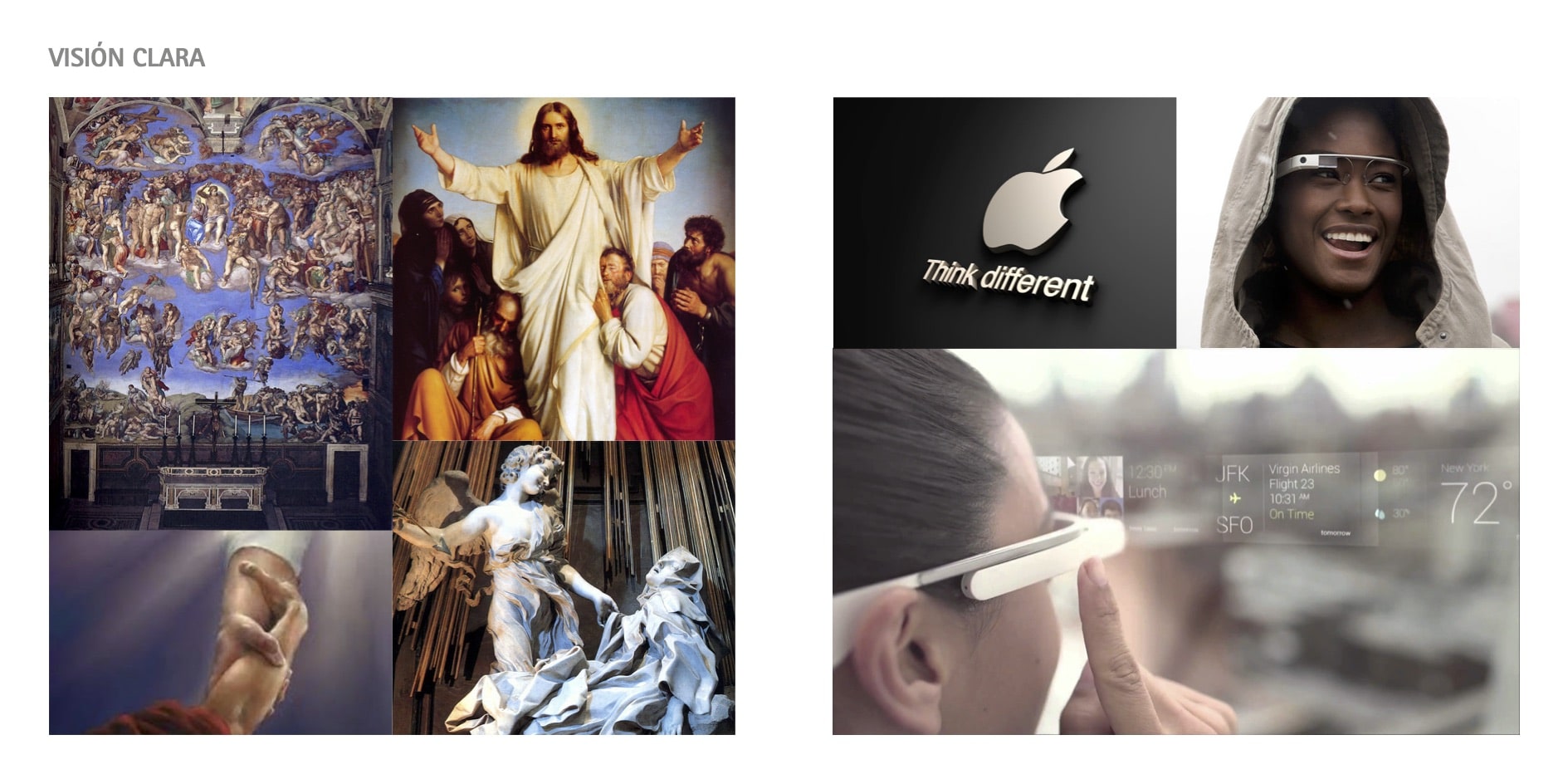

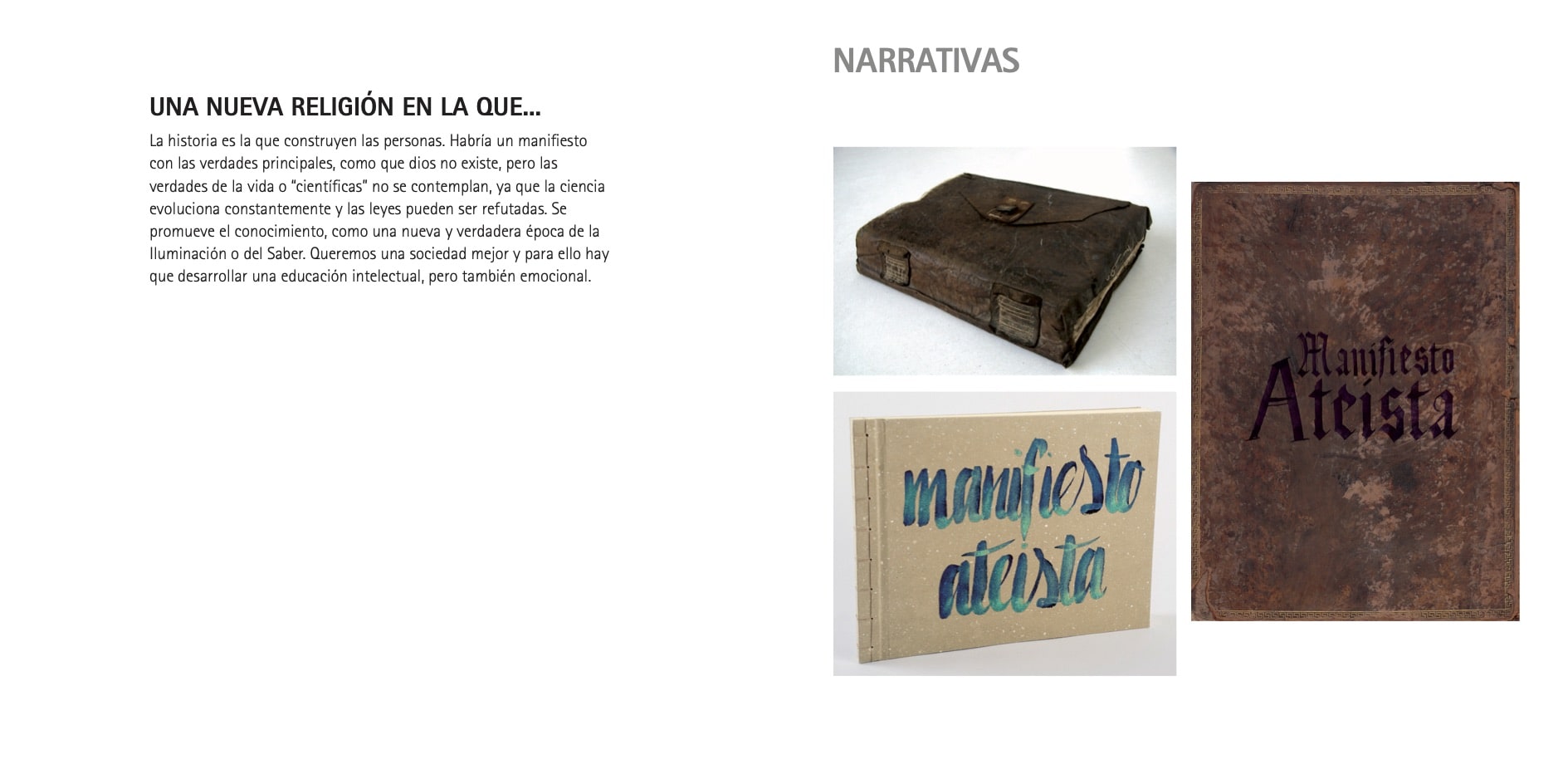
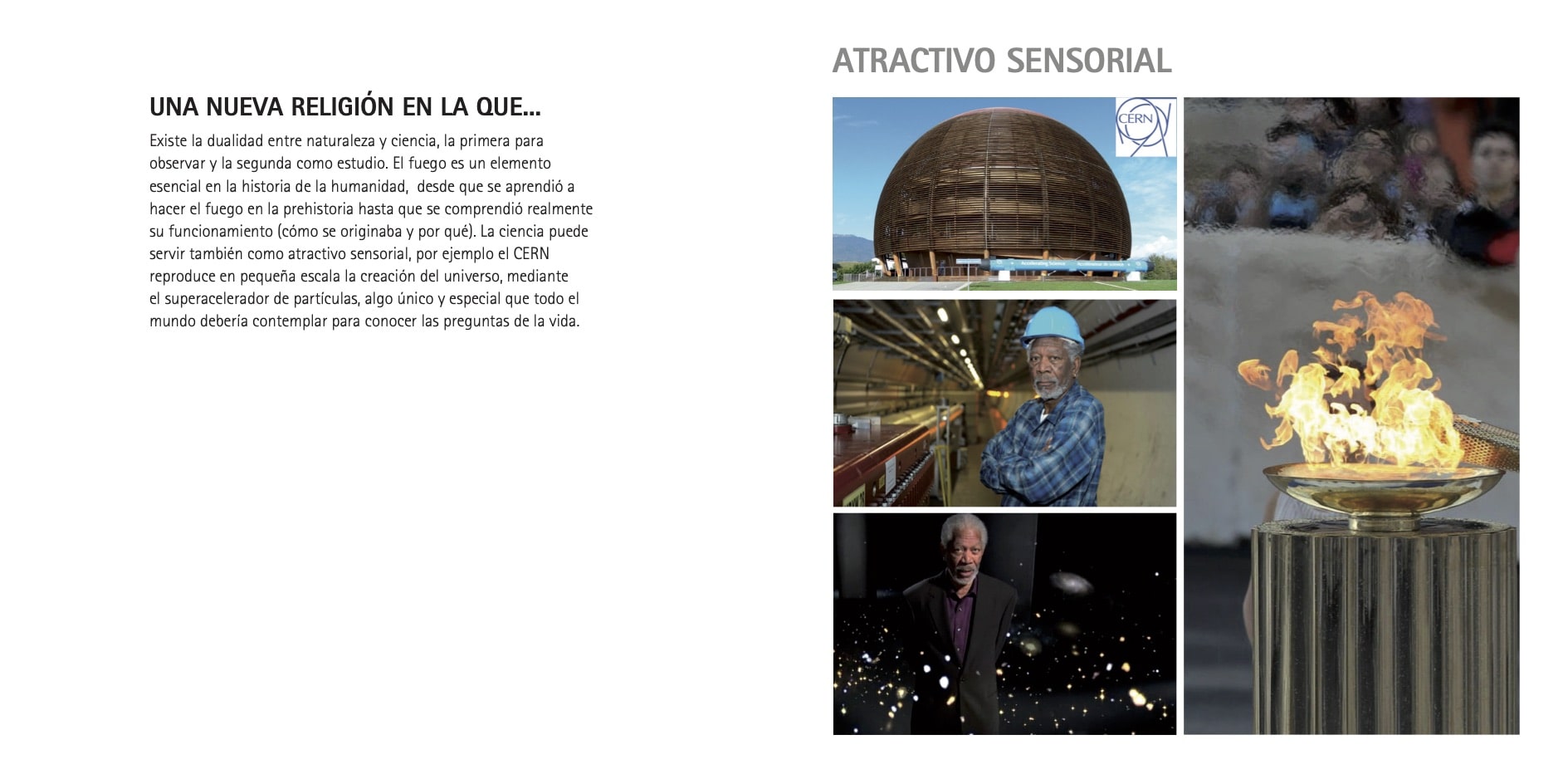
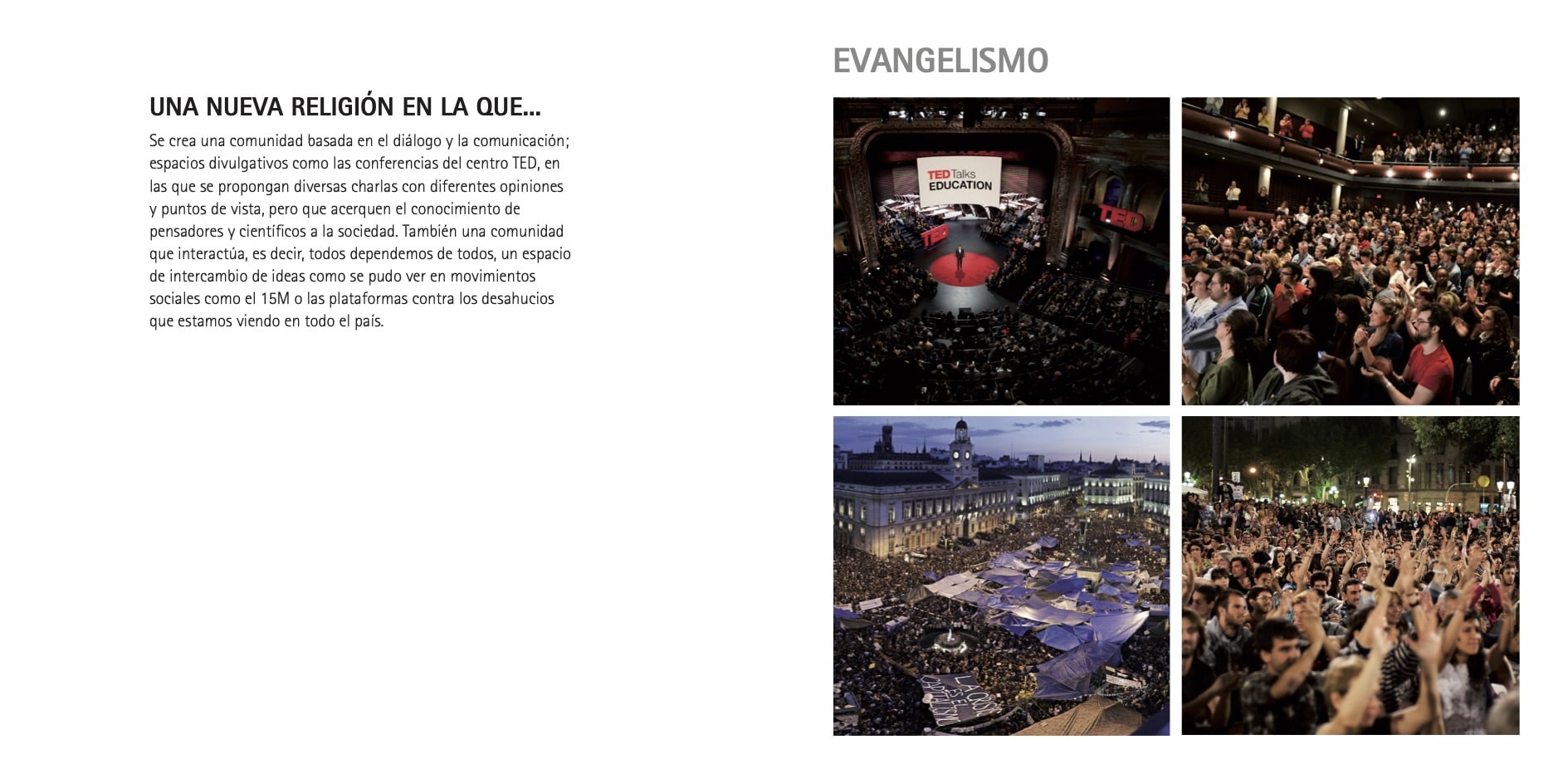
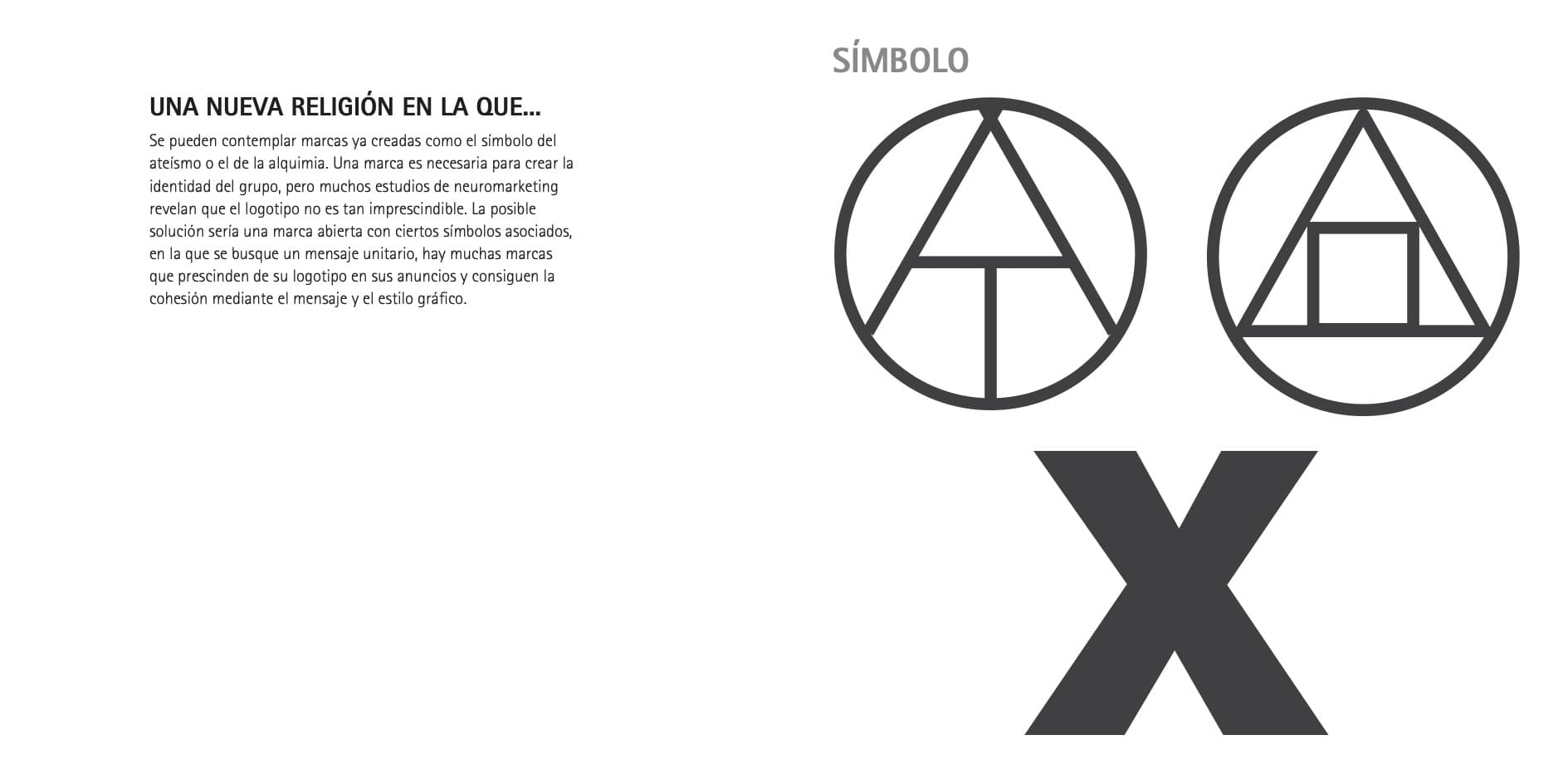
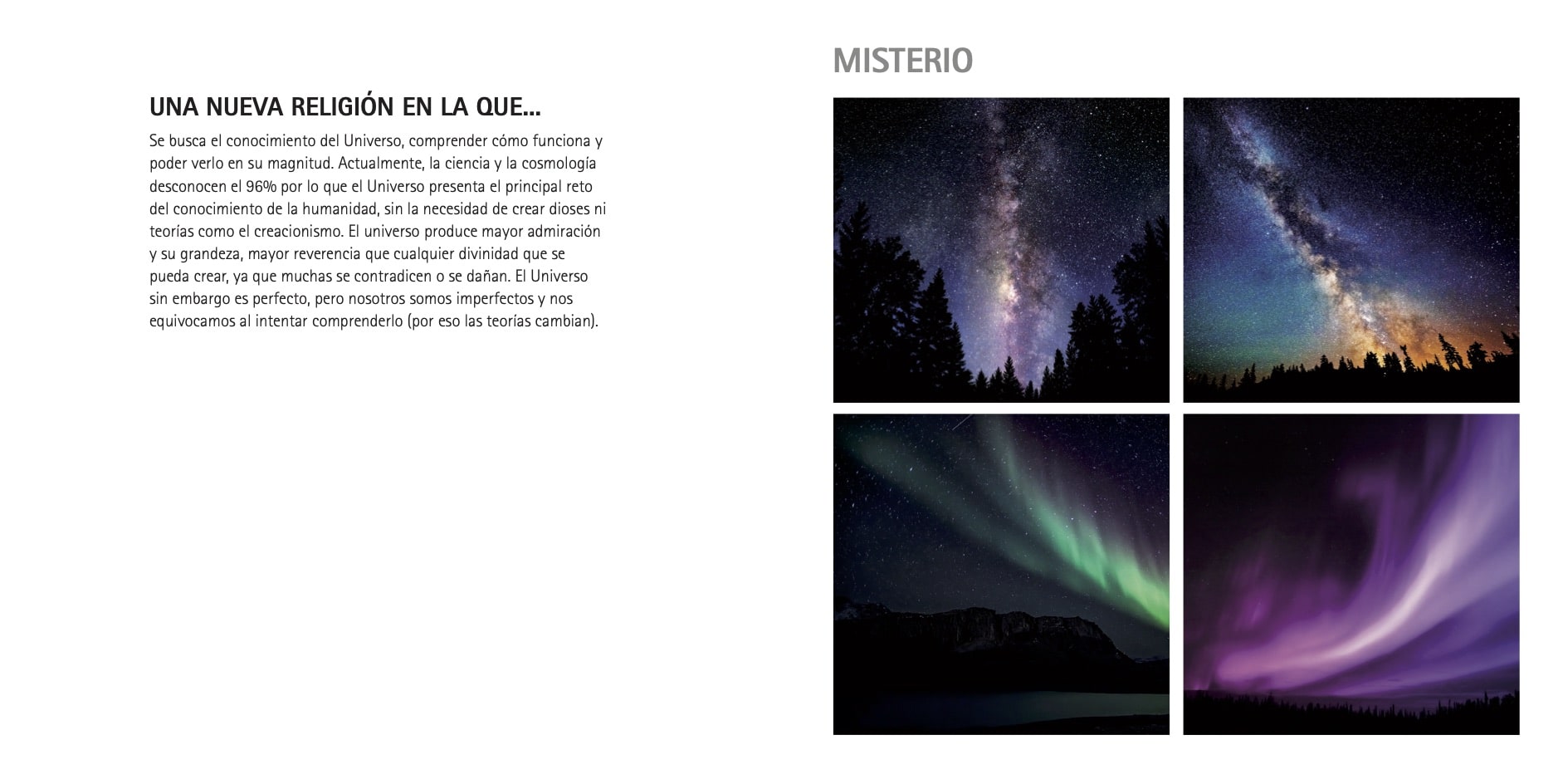
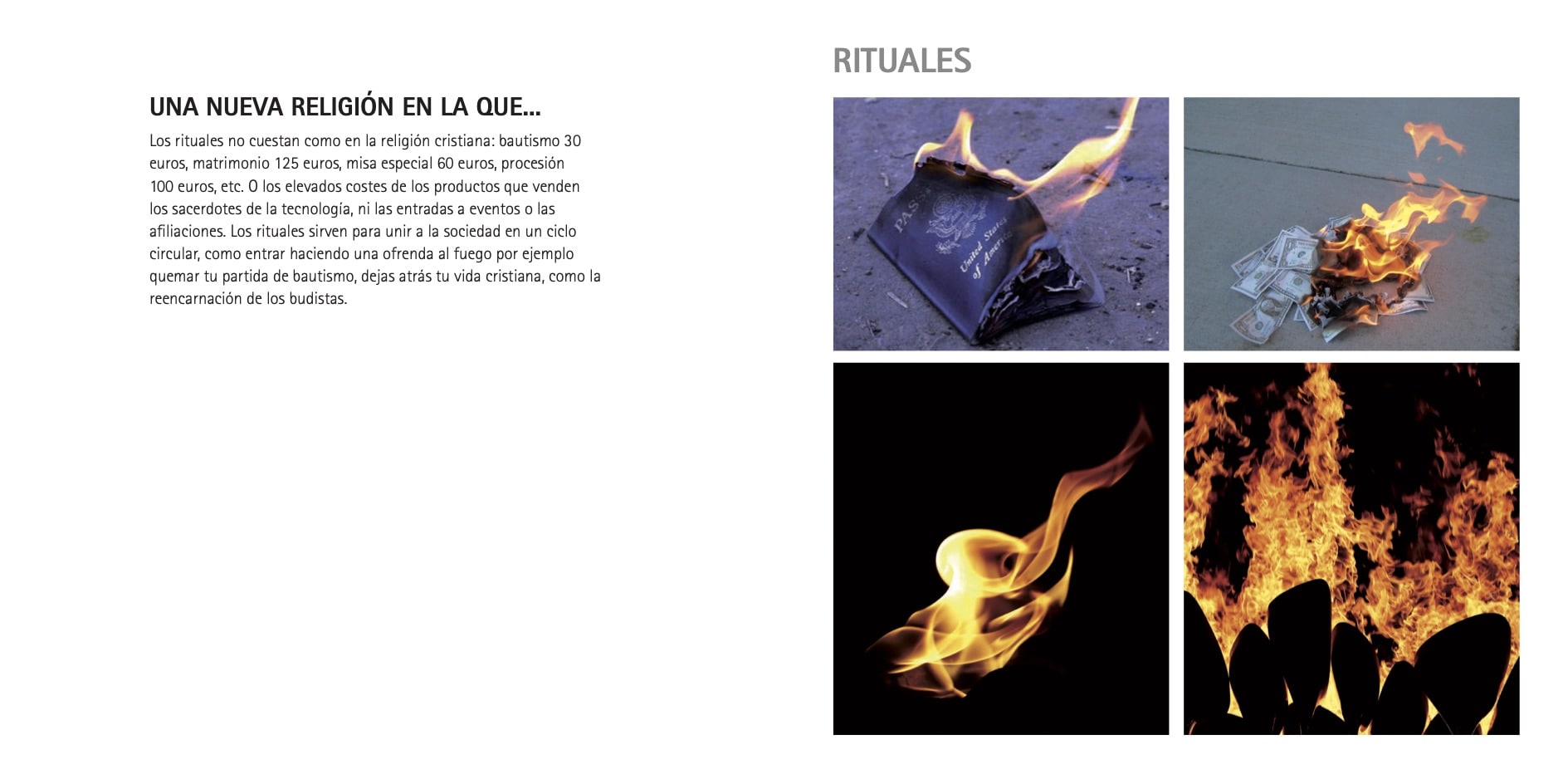
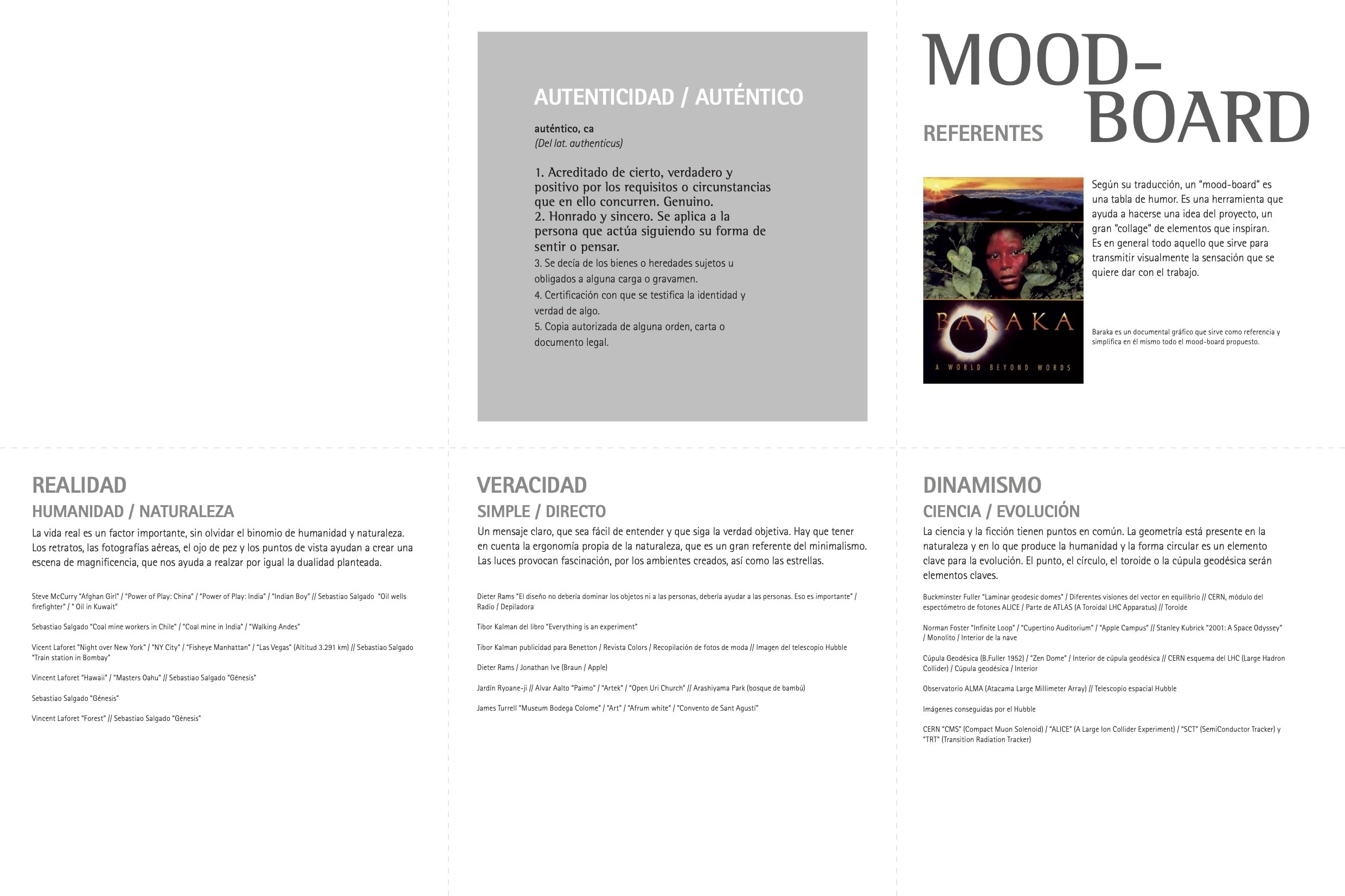
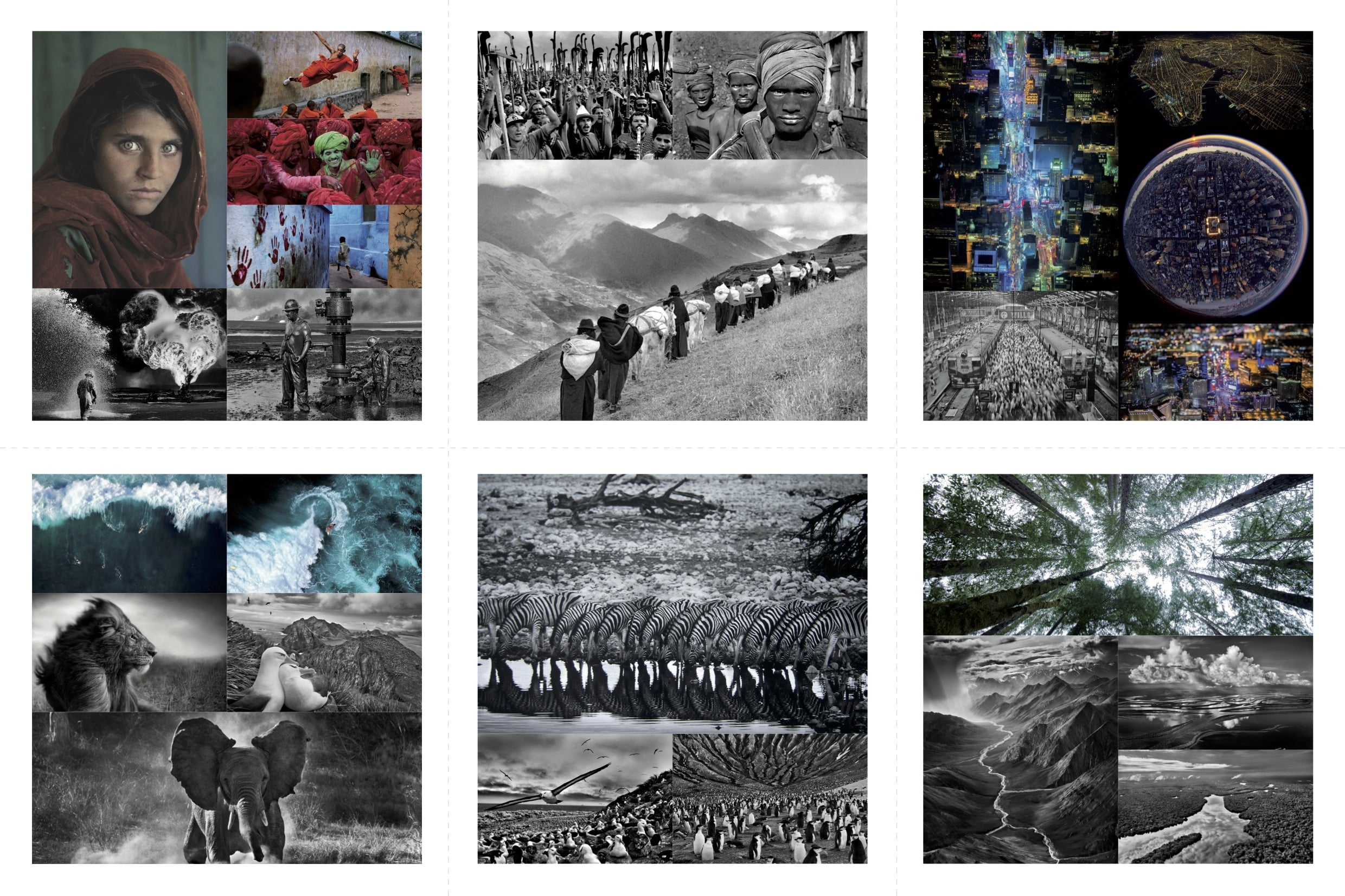
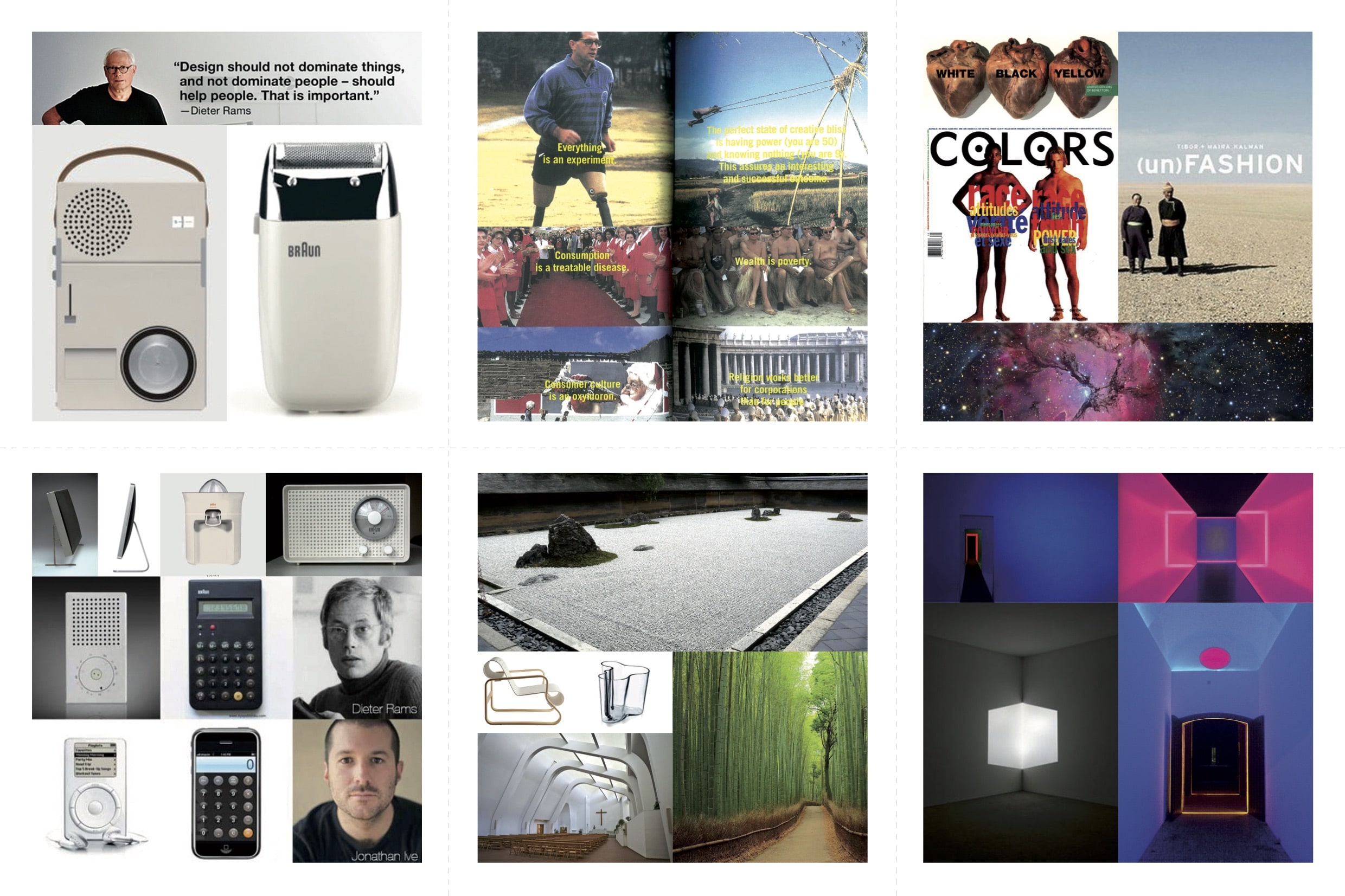
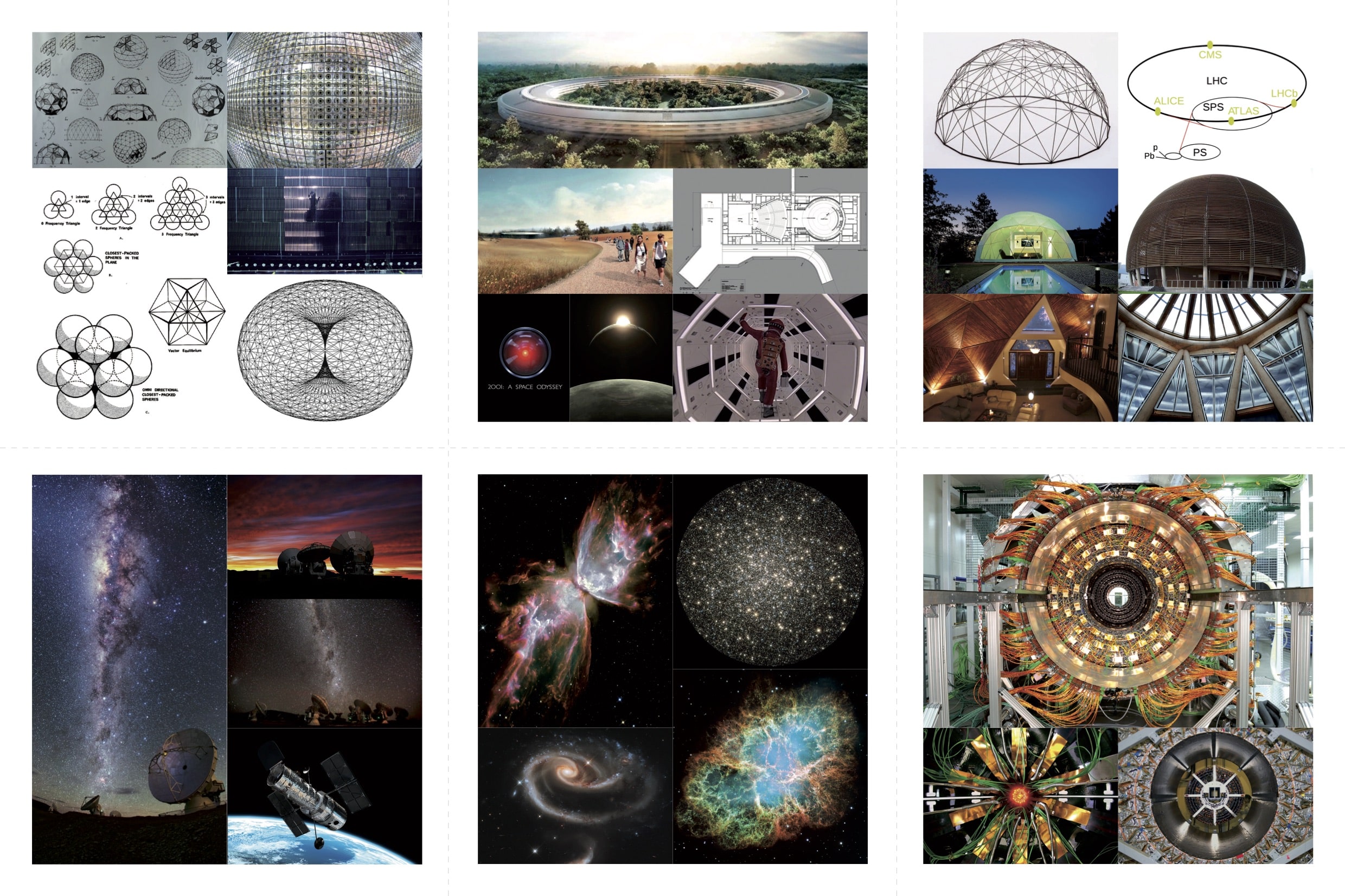




It’s important to work on both intellectual and emotional aspects to achieve personal harmony. We don’t believe in conventional mystical or religious inspiration, but meditation helps balance the mind. You must reach a state of calm before you can truly work. There are moments for rest and moments for reflection.
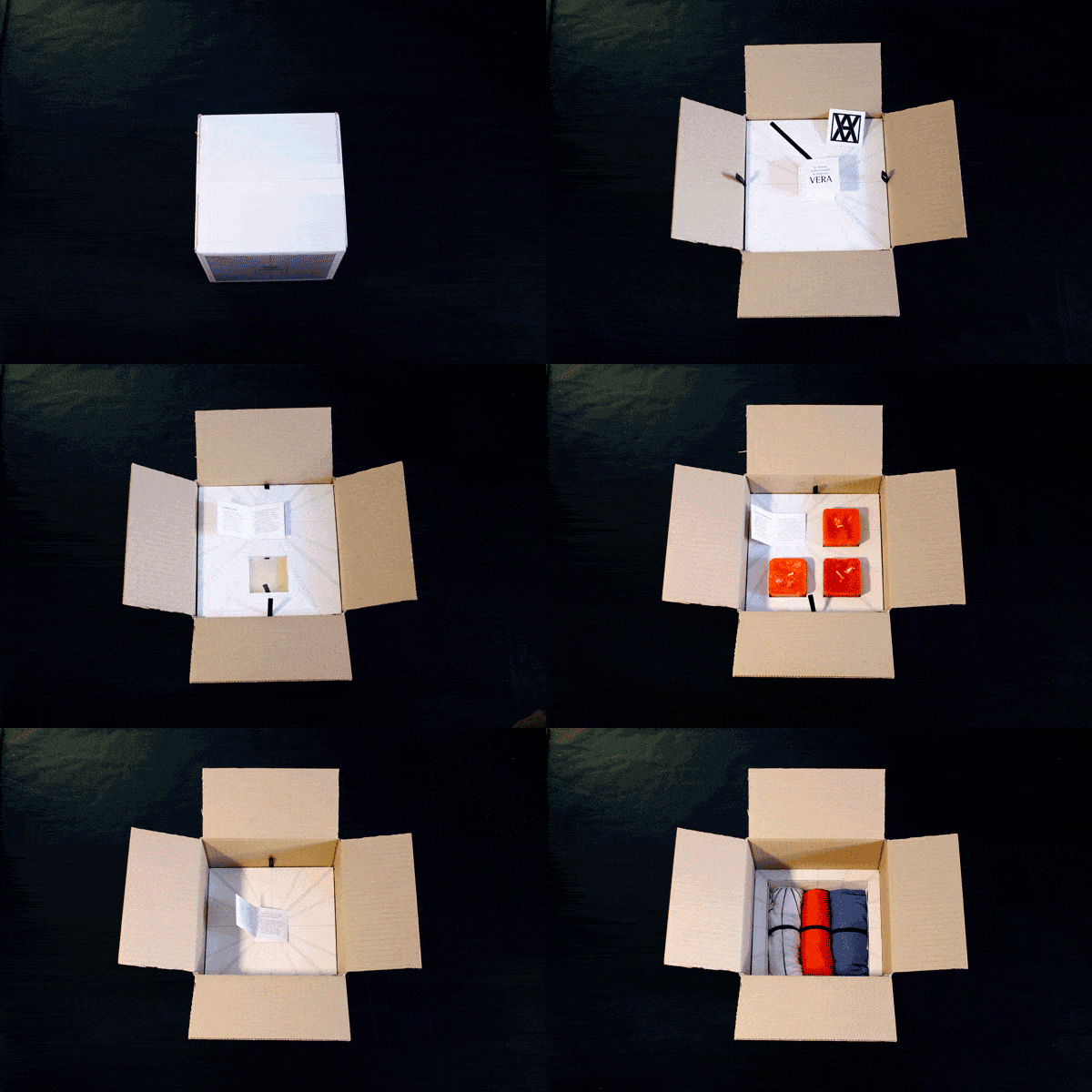
All fabrics are entirely ecological, and members of the collective actively participate in their production. It’s local work, aimed at minimizing ecological impact. You too will take part in this process — creating new T-shirts or other pieces for future members.
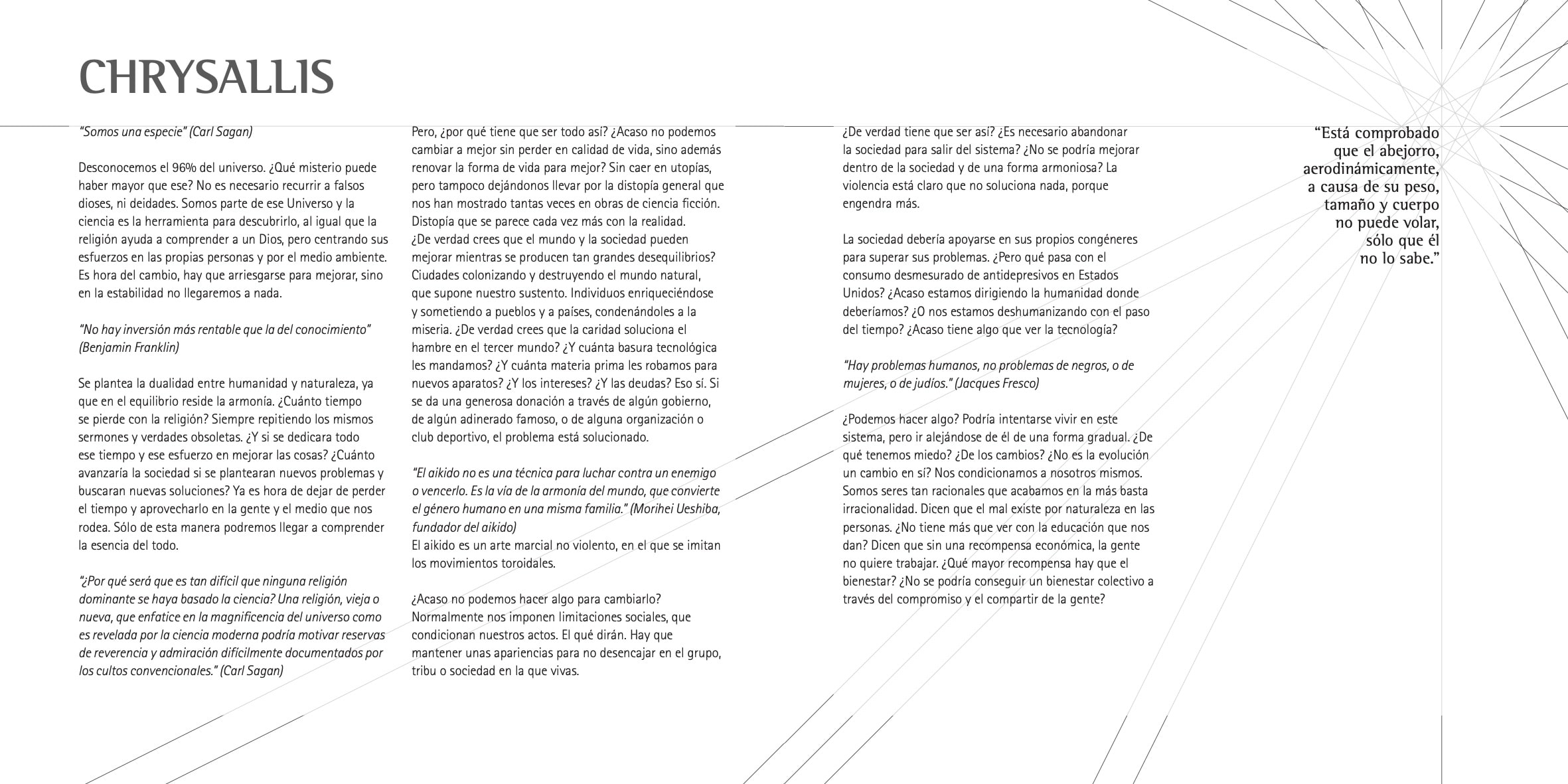
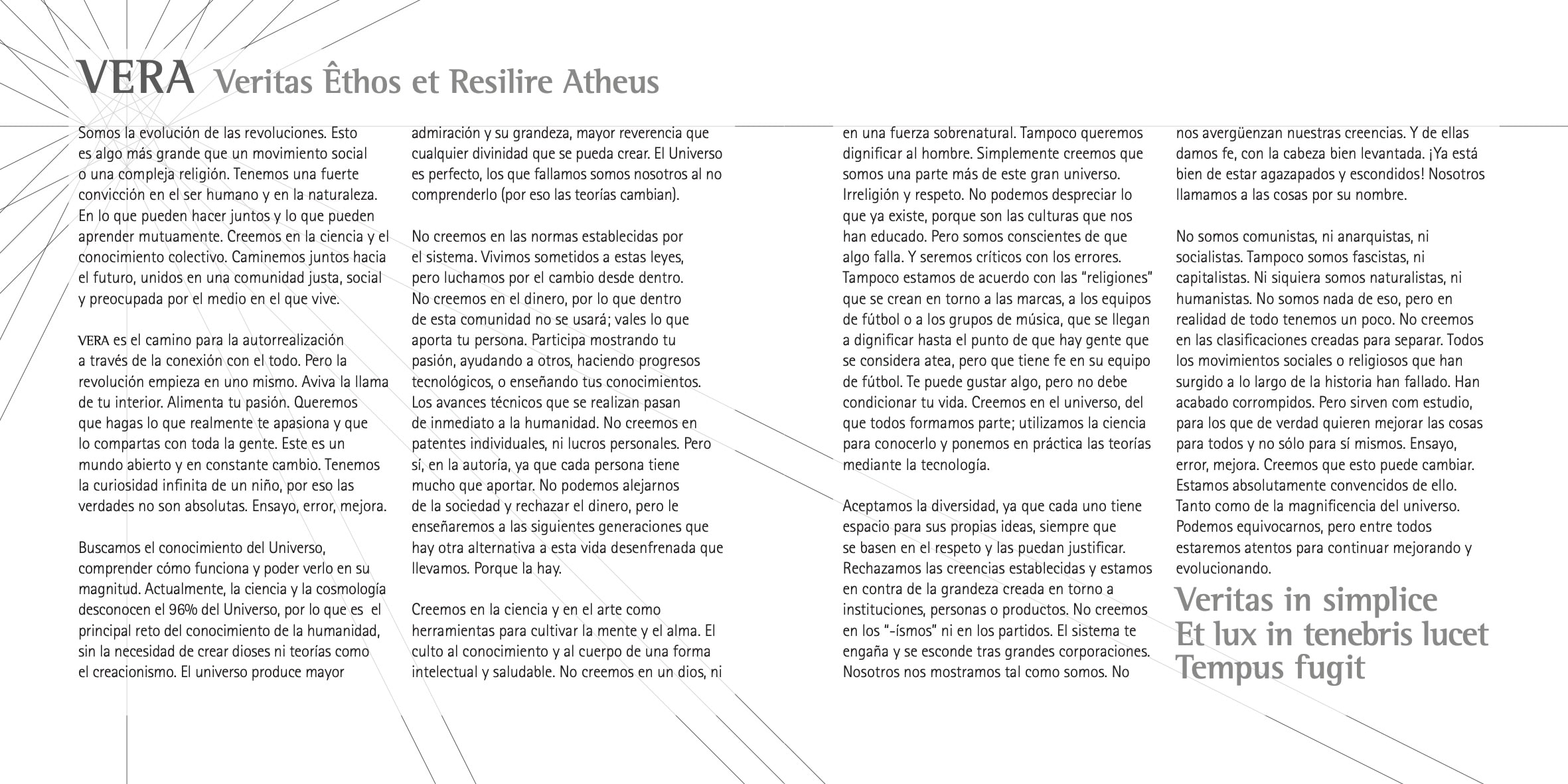
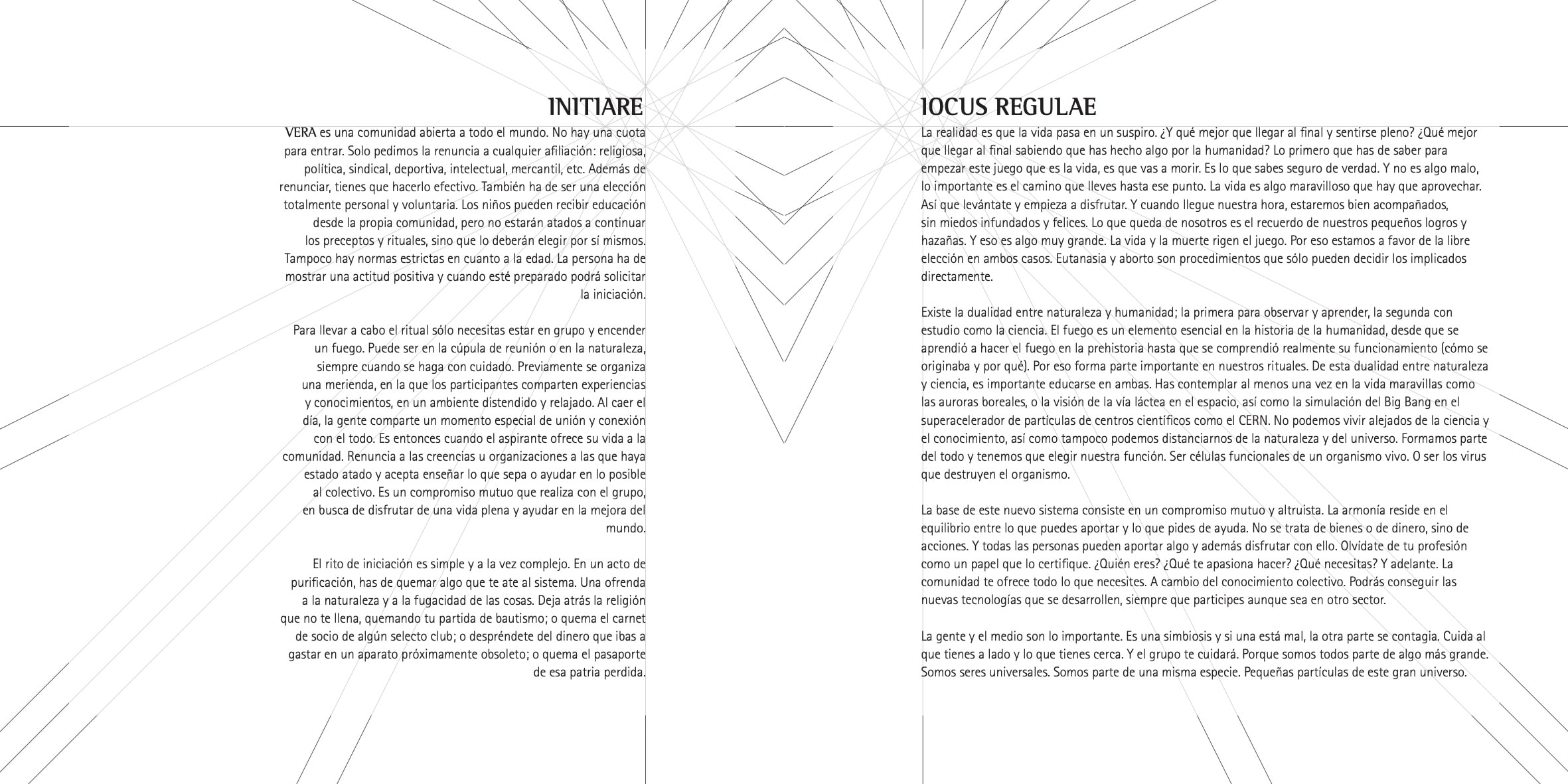

There are no absolute truths. We live in a world of constant change, and evolution never stops. Yet we are conditioned by archaic “truths,” and many settle for them. The universe is an eternal source of knowledge — don’t let a single drop be lost. Quench your thirst, keep questioning, and keep learning.
There are countless possible paths in life, and ethics must remain flexible across cultures. Empathy is essential for reasoning, and every person has their own perspective. By dissolving rigid identities, we arrive at tolerance and common sense — striving for what’s best for the collective from a broad ethical standpoint.
It’s the ability to transform present pain into a glorious or even joyful memory. We can’t erase traumatic events that mark us, but we can give them new meaning. Some people can’t move on, while others — with enough care and support — find the strength to rise again.
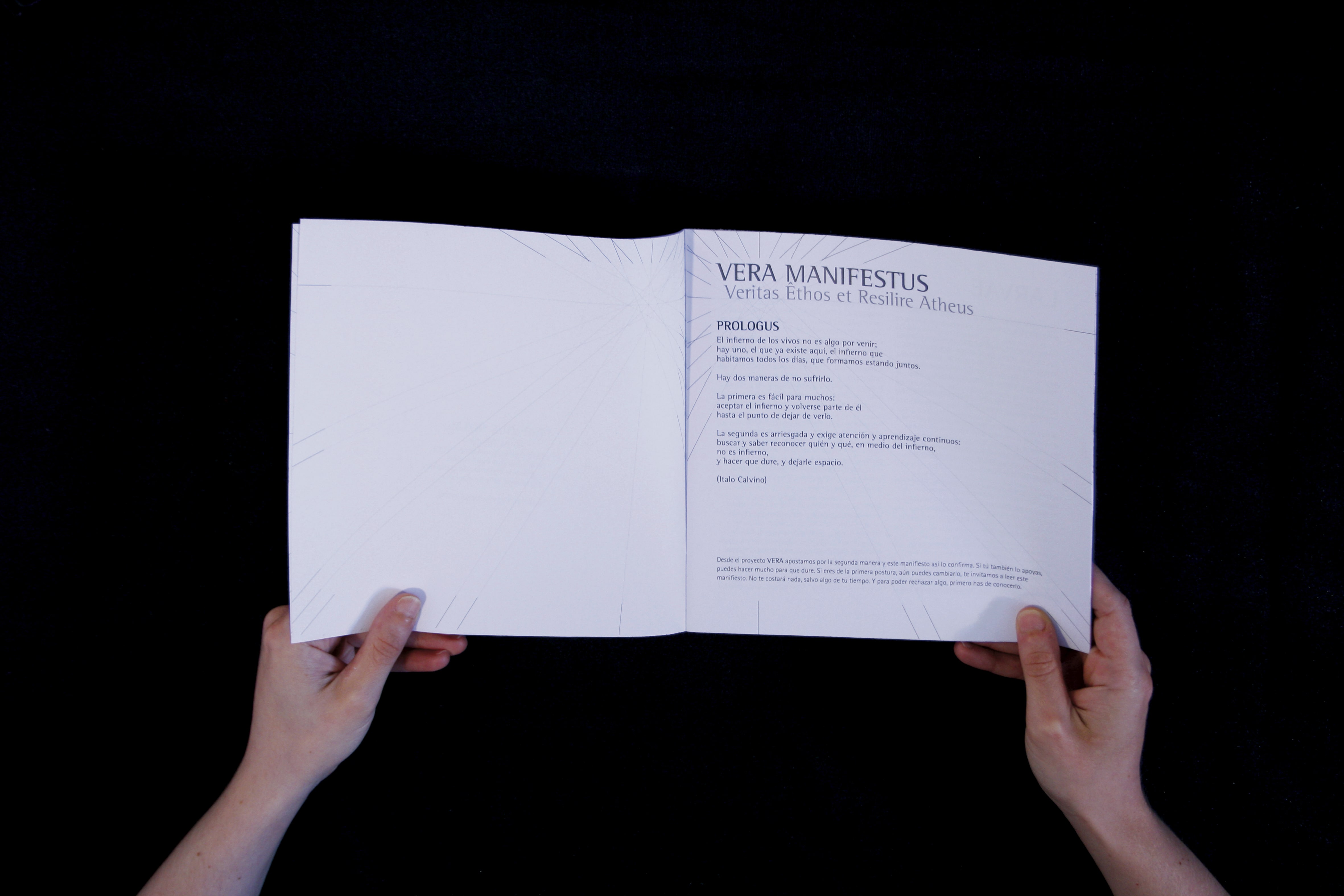
Atheism as a way of life: we believe in the universe and in the power of science and humanity to understand its nature. “The gods are so alike that they either come from the same mold, or serve as the same balm against anguish, just in different packaging.” — Mario Pérez Antolín, “Profanación del poder”